Wedding Officiants: The Heart of Modern Ceremony Design
Wedding officiants bring storytelling, planning, and professionalism to personalized ceremonies. Explore how the role is changing.
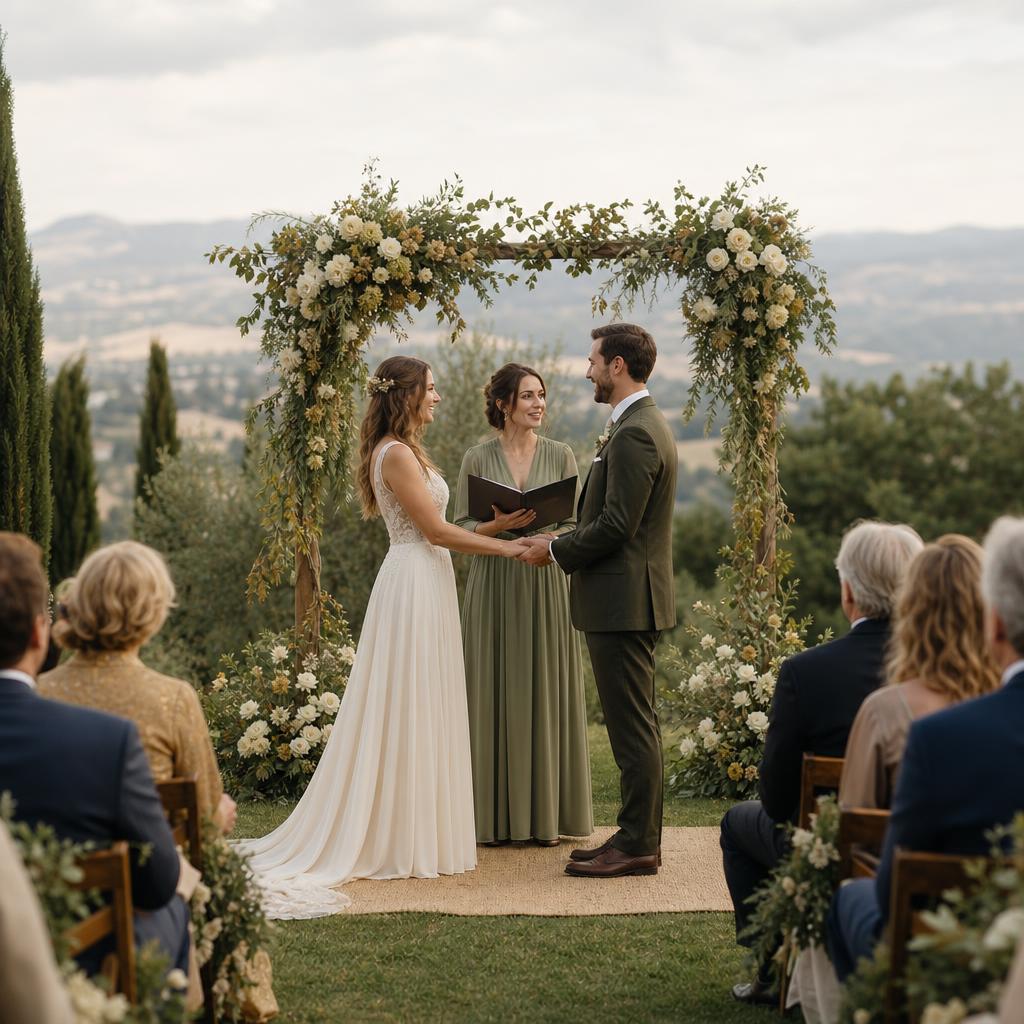
In an era where weddings have become more personalized, more expressive, and more diverse than ever before, the role of the Wedding Officiant has transformed dramatically. No longer seen as a simple facilitator of vows, today’s officiants are storytellers, ceremony architects, and emotional anchors who also carry responsibilities under applicable marriage rules. They guide couples through one of the most meaningful moments of their lives — and the expectations placed on them have grown just as quickly as the wedding industry itself.
Whether you’re a seasoned officiant or just stepping into the profession, understanding how the role has evolved will help you elevate your services, strengthen your brand, and deliver ceremonies that feel unforgettable.
The Officiant’s Role Has Expanded — And Couples Expect More
Modern couples aren’t looking for a generic script or a cookie-cutter ceremony. They want something that feels personal, intentional, and reflective of their relationship. This shift has expanded the officiant’s responsibilities far beyond reading vows and signing paperwork.
Today’s officiants may be expected to:
Craft personalized ceremony scripts
Guide couples through vow writing
Offer emotional support during planning
Manage ceremony flow and timing
Coordinate with planners, photographers, and musicians
Understand cultural, religious, and symbolic traditions
Meet applicable marriage and documentation requirements
Maintain professionalism under pressure
The officiant has become a central figure in the wedding experience — not just a participant.
Ceremony Design: A Blend of Storytelling and Structure
At the core of officiating is storytelling. Couples want their ceremony to feel like them — their humor, their history, their values, their quirks. Officiants must translate these elements into a narrative that is heartfelt, engaging, and structured enough to guide the ceremony smoothly.
This requires:
Interviewing couples to understand their story
Identifying themes that reflect their relationship
Balancing emotion with clarity
Creating a script that flows naturally
Incorporating symbolic elements (unity rituals, readings, cultural traditions)
Ensuring the ceremony feels inclusive for guests
A great officiant doesn’t just tell a story — they create a moment that feels timeless.
Professionalism: The Hidden Skill That Sets Officiants Apart
While creativity and warmth matter, professionalism is what truly elevates an officiant’s reputation.
This includes:
Punctuality and preparedness
Clear communication with couples
Understanding venue rules and logistics
Managing unexpected challenges calmly
Maintaining a polished appearance
Respecting cultural and religious sensitivities
Handling marriage documentation accurately within the officiant’s authorized role
Couples often remember how their officiant made them feel — confident, supported, and at ease. Professionalism is the backbone of that experience.
Legal Knowledge: The Non-Negotiable Foundation
Wedding officiants must understand the requirements that apply to their role and location. These can vary by region, province, or state and may include:
Officiant authorization or registration
Marriage licence and certificate procedures
Witness rules
Documentation timelines
Regional rules for solemnizing and registering a marriage
Errors in marriage paperwork can cause delays or other problems, so it is important to check the current rules with the relevant authority and complete records accurately. Officiants can explain their part of the process to couples without treating general guidance as legal advice.
The Rise of Personalized and Non-Traditional Ceremonies
As weddings become more diverse, officiants must adapt to a wide range of ceremony styles:
Interfaith ceremonies
Non-religious or secular ceremonies
LGBTQ+ weddings
Elopements and micro-weddings
Cultural fusion ceremonies
Destination weddings
Themed or unconventional ceremonies
This requires flexibility, cultural awareness, and the ability to tailor scripts to unique preferences.
Officiants who embrace variety can serve a wider range of couples.
Communication: The Officiant’s Most Powerful Tool
Great officiants are exceptional communicators — not just during the ceremony, but throughout the entire planning process.
Key communication skills include:
Active listening
Asking meaningful questions
Guiding couples through decisions
Providing reassurance during stressful moments
Speaking clearly and confidently
Managing pacing and tone during the ceremony
The officiant’s voice sets the emotional tone of the event. Strong communication builds trust and enhances the ceremony’s impact.
Technology Is Changing the Officiant Workflow
Modern officiants are leveraging technology to streamline their services:
Online booking and scheduling
Digital ceremony scripts
Virtual consultations
Reminders for paperwork
Social media marketing
Template-based workflows for efficiency
AI-assisted writing tools for ceremony personalization
These tools can help officiants deliver a more polished, organized, and professional experience while reducing administrative workload.
Branding Matters: Officiants Are Small Businesses
Wedding officiants are entrepreneurs, and their brand plays a major role in attracting clients.
Strong branding includes:
A professional website
Clear service packages
Testimonials and reviews
Consistent visual identity
Social media presence
A recognizable tone and personality
High-quality documentation and templates
Couples often choose officiants based on trust, relatability, and perceived professionalism — all of which are shaped by branding.
Conclusion: Wedding Officiants Are the Emotional Center of the Ceremony
In a world where weddings are increasingly personalized, the officiant’s role has never been more important. You are the voice of the ceremony, the guide through tradition, the storyteller of love, and the anchor that keeps the moment grounded and meaningful.
Modern officiants who embrace creativity, professionalism, legal accuracy, and personalized service can leave lasting impressions on the couples they serve.
The future of officiating is warm, human-centered, and deeply meaningful. And for those who step into this role with intention, it’s one of the most rewarding professions in the wedding industry.
For a related set of profession-specific forms, explore the Wedding Officiant Starter Kit.
Explore the Wedding Officiants profession page for ceremony documents and workflow resources.