Water Damage Restoration Technicians: The First Line of Defense in Property Recovery
Water damage restoration technicians assess damage, manage drying, document progress, and support property owners during recovery.
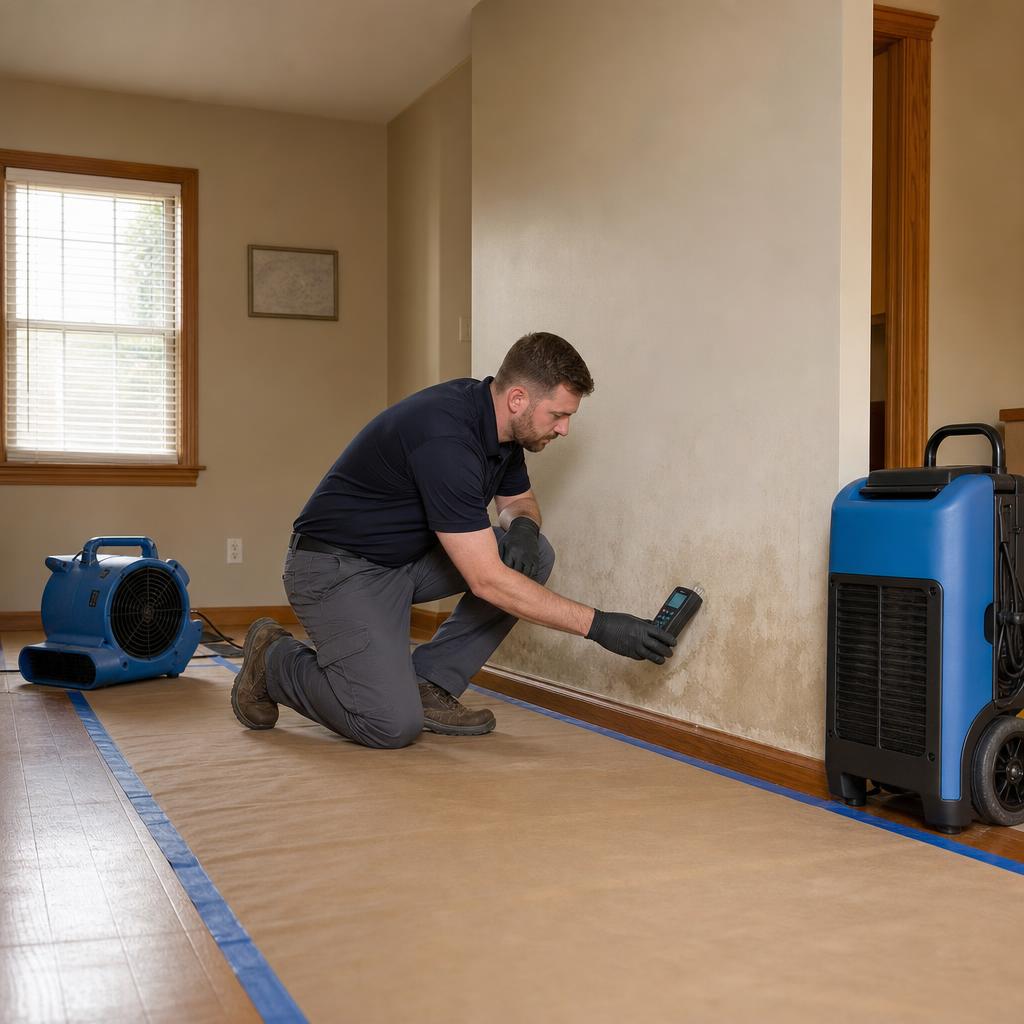
Water damage is one of the most stressful and disruptive events a property owner can experience. Whether caused by burst pipes, storms, appliance failures, or hidden leaks, water intrusion can damage belongings, affect building materials, and create safety concerns. In these moments, Water Damage Restoration Technicians step in to assess the situation, help protect the property, and guide owners through the recovery process.
Today’s restoration technicians are more than cleanup specialists — they are trained problem-solvers, moisture analysts, and customer-support professionals. Their work requires technical skill, precision, and empathy, making them an important part of the property restoration process.
This article explores the modern responsibilities of Water Damage Restoration Technicians, the science behind their work, and the expectations of clients who rely on them during emergencies.
The Technician’s Role Has Expanded — And Homeowners Expect Expertise
Water damage restoration is no longer just about extracting water and drying carpets. Modern technicians must understand building materials, moisture behavior, contamination risks, and drying equipment. Homeowners and insurance companies need clear assessments, timely communication, and professional documentation.
Today’s technicians may be responsible for:
Rapid emergency response
Assessing structural and material damage within their scope
Moisture mapping and helping identify the source of water
Water extraction and authorized removal of damaged materials
Setting up drying equipment and monitoring progress
Reducing the risk of microbial growth and secondary damage
Communicating with homeowners and insurance adjusters
Documenting work and observations for clients and claims
The job requires both technical knowledge and strong communication skills — especially when clients are stressed or overwhelmed.
The Science Behind Water Damage: Understanding Moisture Behavior
Water behaves differently depending on the source, temperature, building materials, and environment. Restoration technicians need to understand how moisture moves, absorbs, evaporates, and hides within structures.
Key scientific concepts include:
Porosity: How materials absorb water
Permeance: How easily moisture passes through surfaces
Capillary action: How water travels upward or sideways
Vapor pressure: How humidity affects drying
Psychrometrics: The relationship between air, temperature, and moisture
This knowledge helps technicians choose a drying strategy, equipment placement, and monitoring schedule appropriate to the affected materials and conditions.
Categories and Classes of Water Damage: A Critical Assessment Step
Technicians assess the source, possible contamination, affected materials, and extent of absorption to plan appropriate work. Categories and classes are not a substitute for an on-site assessment; conditions can change after the initial water intrusion.
Water categories
Category 1: Water initially from a sanitary source, such as a supply line; it may become contaminated after contact with materials or over time
Category 2: Water with a significant level of contamination that calls for additional precautions
Category 3: Heavily contaminated water, such as sewage or some floodwater, requiring specialized precautions
Water damage classes
Class 1: A limited area with relatively little absorption
Class 2: More extensive absorption in affected materials
Class 3: Water affecting a larger portion of the structure, potentially including ceilings and insulation
Class 4: Materials or assemblies that may require specialized drying methods
Proper assessment helps the team identify safety precautions, record the scope, and select equipment. Follow current professional guidance and the requirements applicable to the job.
Equipment Mastery: Tools That Make Restoration Possible
Modern restoration relies on equipment selected for the actual conditions. Technicians need to know how to operate, maintain, and place it appropriately.
Depending on the job, tools may include:
High-capacity extractors
Air movers and axial fans
Low-grain refrigerant (LGR) dehumidifiers
Desiccant dehumidifiers
Moisture meters and thermal imaging cameras
HEPA air scrubbers
Negative air machines
Inject-dry systems for hardwood and wall cavities
Equipment placement affects drying progress, but choices should be guided by readings, material conditions, and safety rather than assumptions.
Reducing Mold Risk: A Time-Sensitive Response
Mold can develop when materials remain damp, though the timing varies with conditions. Restoration technicians should respond promptly, assess contamination, and manage moisture to reduce further damage.
This may include:
Rapid extraction and humidity control
Removing wet materials that cannot be salvaged when authorized
Using antimicrobial treatments only when appropriate and permitted
Providing suitable airflow and temperature control
Monitoring moisture levels through the drying process
Where microbial contamination is suspected or present, the team should follow its training, applicable requirements, and the appropriate scope of work rather than promise that drying alone resolves every concern.
Customer Support: The Human Side of Restoration
Water damage is emotional. Homeowners may be dealing with ruined belongings, unexpected expenses, and fear of long-term issues. Technicians can provide reassurance, clarity, and professionalism.
Key communication skills include:
Explaining the restoration process clearly
Setting realistic expectations
Providing regular updates
Showing empathy and patience
Explaining what records may help with an insurance claim
Maintaining professionalism in stressful environments
A technician’s calm presence can make a difficult situation feel more manageable.
Documentation and Insurance: Accuracy Matters
Restoration records can support a property owner’s claim review and help everyone understand the work completed. Technicians may record:
Moisture readings
Equipment usage
Photos of damage and progress
Material removal
Drying logs
Safety concerns
Final readings and the condition at handoff
Accurate documentation gives the homeowner and restoration company a clearer record. Claim decisions remain with the insurer under the relevant policy.
Safety First: Protecting People and Property
Water damage can create dangerous conditions, including:
Electrical hazards
Structural instability
Contaminated water
Slip and fall risks
Possible microbial exposure
Hidden damage behind walls or under flooring
Technicians must assess hazards, follow applicable safety procedures, use suitable protective equipment, and involve appropriately qualified specialists when work falls outside their training or authorization.
Conclusion: Water Damage Restoration Technicians Are Essential to Property Recovery
Water Damage Restoration Technicians play a vital role in helping homes and businesses recover from water intrusion. Their work blends science, technology, practical skill, and compassion — often under urgent conditions.
As buildings and restoration methods evolve, skilled technicians help property owners understand what has happened, document the response, and plan the next steps after an unexpected loss.
For a related set of profession-specific forms, explore the Water Damage Restoration Technician Starter Kit.
Explore the Water Damage Restoration Technicians profession page for restoration documents and workflow resources.