Venue Coordinators: The Operational Backbone of Every Successful Event
Venue coordinators bring together venue operations, vendor communication, room setup, and client support for successful events.
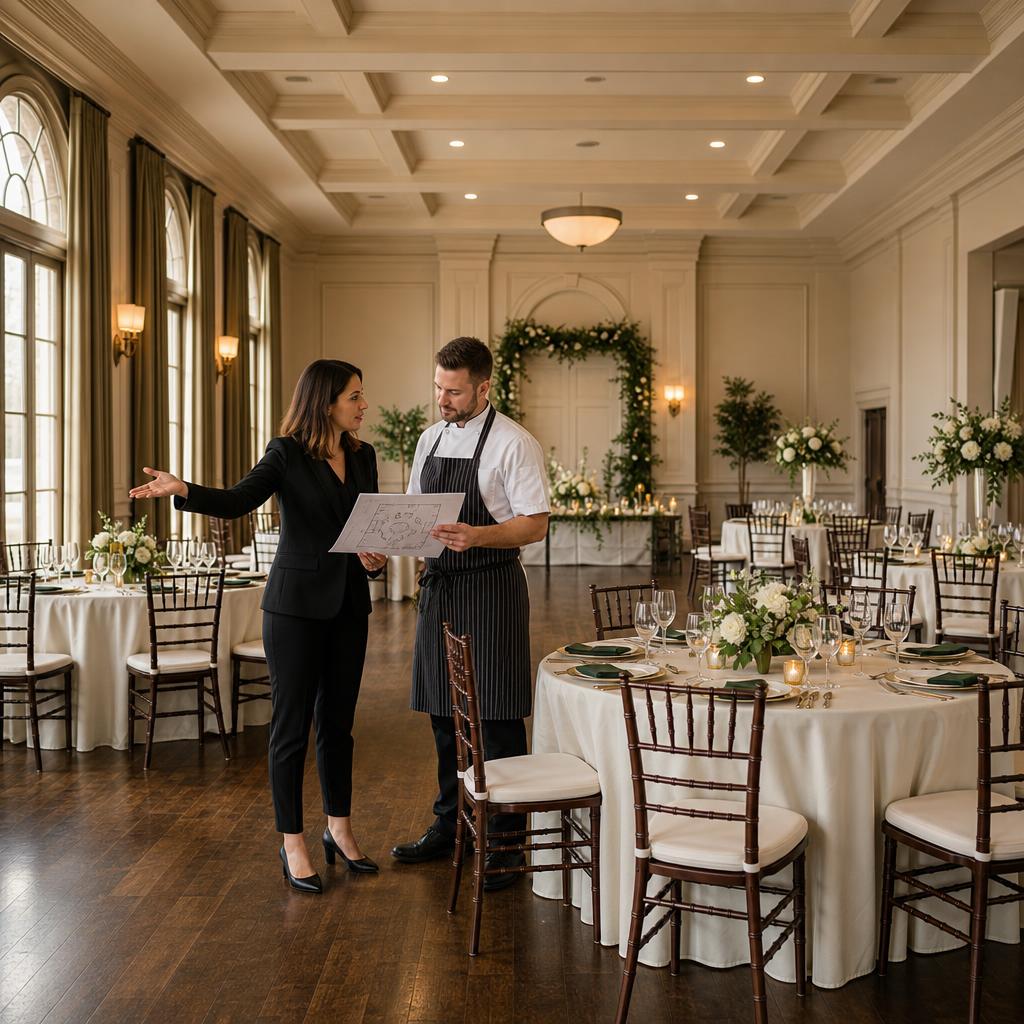
Behind every seamless wedding, corporate gala, conference, or private celebration, there is often a Venue Coordinator working quietly — yet powerfully — behind the scenes. These professionals coordinate the details that help spaces be ready for an event and clients feel supported from the first inquiry to the final walkthrough.
Venue Coordinators are far more than customer service representatives. They are planners, problem-solvers, and points of contact for venue operations. Their work blends hospitality, logistics, and event planning, making them an important part of the event industry.
This article explores the modern responsibilities of Venue Coordinators, the skills that set them apart, and the expectations of clients who rely on them to bring their events to life.
The Venue Coordinator’s Role Has Expanded — And Expectations Are Higher Than Ever
Today’s clients expect more than a beautiful space. They want guidance, clarity, and a coordinator who understands the complexities of event execution. Venue Coordinators help manage both the physical environment and the guest experience within the venue’s agreed responsibilities.
Their responsibilities often include:
Conducting venue tours and consultations
Managing bookings, contracts, and scheduling
Coordinating with vendors, planners, and caterers
Communicating venue policies and applicable safety requirements
Overseeing setup, layout, and room transitions
Coordinating lighting, sound, and equipment needs
Troubleshooting issues during events
Providing attentive customer service
Representing the venue’s reputation and brand
Venue Coordinators are often a central point of communication when decisions need to be made quickly and clearly.
Operational Excellence: The Foundation of Venue Coordination
A successful event depends on strong operations. Venue Coordinators need to understand how the space functions, from electrical capacity to catering logistics to emergency exits, and work with the people responsible for each area.
Key operational responsibilities include:
Checking that rooms are set according to approved client specifications
Managing inventory of tables, chairs, linens, and décor
Coordinating load-in and load-out schedules
Monitoring temperature, lighting, and acoustics
Maintaining cleanliness and readiness between events
Checking event plans against venue rules and applicable safety requirements
Operational preparation helps events run smoothly — even when much of that work is invisible to guests.
Client Experience: The Human Side of Venue Coordination
Venue Coordinators are often among the first and last points of contact for clients. Their communication style, professionalism, and empathy can shape the client’s experience.
This includes:
Providing clear, timely responses
Offering guidance on layout, flow, and logistics
Managing expectations around venue capabilities
Supporting clients during stressful planning moments
Remaining calm and solution-focused during challenges
Helping clients feel heard and informed
A great Venue Coordinator doesn’t just manage a space — they also help manage expectations and relationships.
Vendor Collaboration: The Art of Seamless Teamwork
Events rely on multiple vendors working together: caterers, decorators, DJs, photographers, planners, florists, and more. Venue Coordinators help vendors understand the venue’s rules, timelines, and limitations.
This requires:
Clear communication of venue policies
Coordinating arrival and setup times
Confirming vendor access to required spaces
Managing noise levels, power usage, and equipment placement
Troubleshooting conflicts or delays
Acting as a liaison between vendors and clients where appropriate
Good vendor communication reduces avoidable surprises and supports a better event experience.
Layout and Flow: Designing the Guest Experience
Venue Coordinators need to understand how people move through a space. The layout affects comfort, accessibility, and the overall atmosphere.
Key considerations include:
Guest flow between ceremony, cocktail hour, and reception
Placement of food stations, bars, and seating
Accessibility for guests with mobility needs
Emergency exit access
Dance floor and entertainment placement
Traffic flow for staff and vendors
A well-planned layout can improve the event experience and make movement easier for guests and staff.
Crisis Management: Staying Calm Under Pressure
Even well-planned events encounter unexpected challenges. Venue Coordinators need to respond clearly and stay composed under pressure.
Common issues include:
Weather changes affecting outdoor events
Vendor delays or cancellations
Equipment malfunctions
Last-minute layout changes
Guest emergencies
Overlapping event schedules
Preparation helps coordinators anticipate problems and respond within the venue’s procedures when they occur.
Documentation: The Backbone of Professional Coordination
Accurate documentation supports clarity, consistency, and accountability. Depending on the event and venue, coordinators may rely on:
Event intake forms
Layout diagrams
Vendor agreements and instructions
Setup checklists
Timeline sheets
Incident reports
Post-event evaluations
Clear records help the venue and client align on plans and document what happened during the event.
Brand Representation: Coordinators Are the Face of the Venue
Venue Coordinators directly influence how clients perceive the venue. Their professionalism, communication, and demeanor reflect the venue’s brand.
This includes:
Maintaining a polished appearance
Using consistent language and tone
Upholding venue policies clearly
Delivering attentive hospitality
Supporting the venue’s standards at each event
A strong coordinator contributes to a positive experience and gives clients a reliable point of contact.
Conclusion: Venue Coordinators Are the Quiet Power Behind Every Successful Event
Venue Coordinators help turn empty spaces into memorable experiences. Their work blends logistics, hospitality, communication, and problem-solving — often while maintaining calm professionalism under pressure.
As events become more complex and client expectations rise, skilled coordinators remain important to event execution. They help communicate venue standards, coordinate the people involved, and support celebrations from setup to closeout.
For a related set of profession-specific forms, explore the Venue Coordinator Starter Kit.
Explore the Venue Coordinators profession page for venue coordination documents and workflow resources.