The Rising Demand for DJ Freelancers in Today’s Event and Entertainment Industry
DJ Freelancers coordinate music preferences, venue access, audio equipment, cues, requests, and event changes. Learn how structured records support that work.
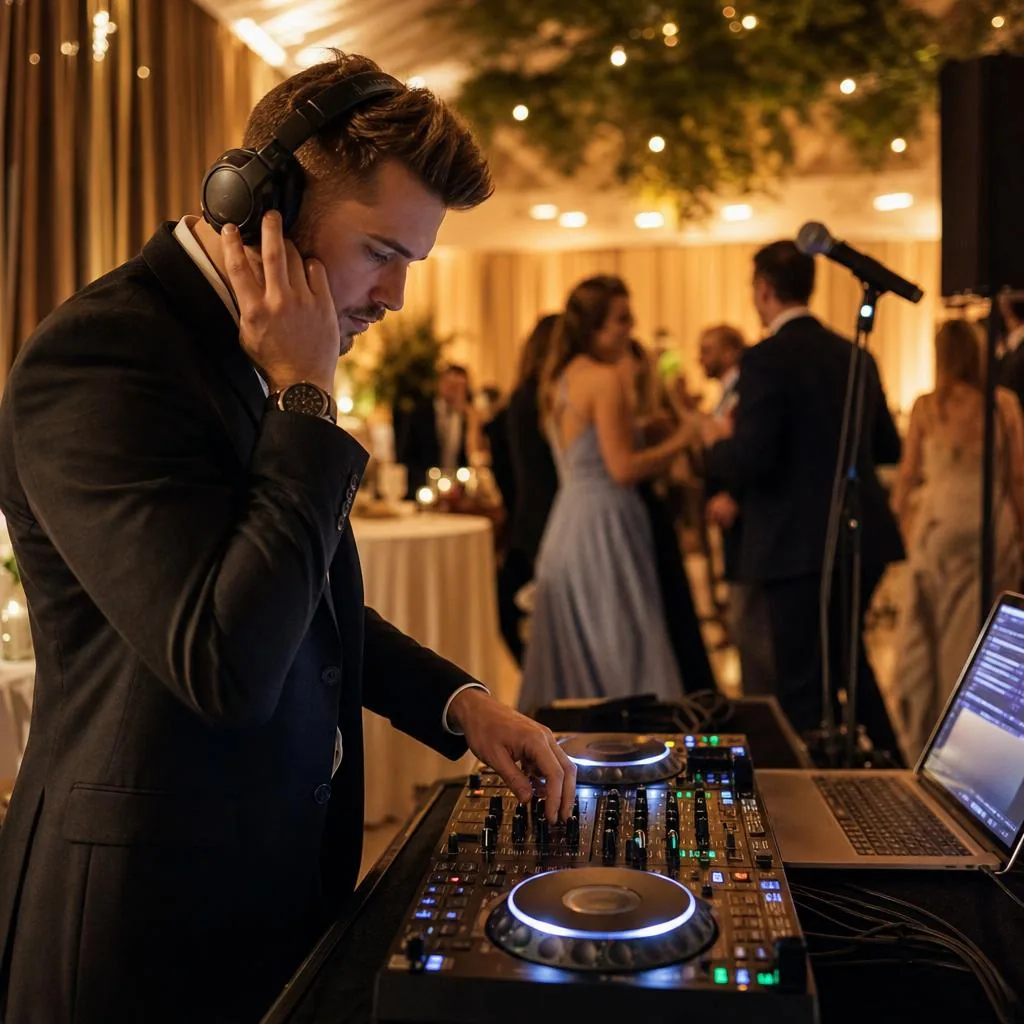
Music, announcements, and event cues can shape the pace of weddings, corporate gatherings, private parties, community celebrations, and venue programs. DJ Freelancers coordinate music programming, audio equipment, timing, requests, and live adjustments within an agreed event plan.
A DJ can prepare carefully and respond to the room, but cannot guarantee a full dance floor, a specific guest reaction, flawless equipment, or an event without schedule changes. Clear documentation keeps preferences, restrictions, venue conditions, responsibilities, and backup plans visible before performance day.
What DJ Freelancers do
Depending on the booking, a DJ may consult with the client, develop music direction, prepare playlists or crates, manage requests, mix live, provide microphones, make approved announcements, follow formalities and cues, coordinate with planners or performers, transport equipment, complete soundcheck, and manage setup and load-out.
Lighting, master-of-ceremonies services, ceremony audio, live musicians, karaoke, projection, venue production, staging, generators, special effects, recording, streaming, and equipment rentals may be separate services. Each should be confirmed rather than assumed from a general DJ booking.
Why coordinated DJ service matters
Events need personalized music direction
Clients may have preferred genres, cultural traditions, key songs, do-not-play selections, clean-content needs, formalities, and guest-request rules. The DJ should identify who has authority to approve changes when preferences conflict during the event.
Technology expands the service and the risk
Controllers, mixers, software, microphones, speakers, lighting, wireless devices, and digital libraries create flexible options but also require compatible connections, suitable power, safe placement, updates, backups, and venue coordination.
Venues have their own operating conditions
Load-in routes, access times, sound limits, power, placement, curfews, insurance, Wi-Fi, storage, stairs, weather exposure, house systems, and load-out deadlines can affect the service. A venue contact should confirm conditions before setup.
Live performance requires active coordination
Introductions, speeches, first dances, presentations, games, meal service, performers, and closing announcements may shift. A cue sheet and named event contact help the DJ respond without accepting conflicting instructions from every guest.
Flexible service still needs boundaries
Travel, overtime, additional locations, early setup, ceremony systems, extra speakers, lighting, assistants, and last-minute content can affect availability, staffing, equipment, safety, and price. The agreement should define how those changes are approved.
The documentation challenge
DJ engagements can involve event details, client contacts, performance schedule, music preferences, restricted content, announcements, pronunciation, cues, venue access, equipment, power, sound limits, setup, requests, overtime, incidents, acceptance, and payment.
Music requests can conflict with client instructions, venue rules, audience needs, licensing, technical limitations, or the available event time. A written preference and authority process helps the DJ make consistent decisions without promising every requested track.
Templates provide structure, but they do not guarantee flawless transitions, equipment uptime, audience participation, event timing, sound quality in every venue, legal music use, venue approval, safety compliance, or a particular entertainment outcome.
Documents that support a DJ workflow
Event and client intake
An intake can identify the event type, date, venue, audience, contacts, timeline, formalities, performance areas, announcements, cultural or accessibility needs, travel, setup window, equipment, restrictions, budget, and decision authority.
DJ services agreement
The agreement can define performance time, preparation, equipment, setup, fees, deposits, overtime, travel, cancellation, client and venue responsibilities, music requests, breaks, weather, force majeure, recording, damage, and scope changes.
Music and content preference plan
A preference record can document genres, key songs, do-not-play selections, explicit-content rules, guest requests, cultural material, special versions, pronunciations, announcements, client-supplied files, and who may approve event-day changes.
Venue access and equipment authorization
Venue authorization can confirm load-in, parking, stairs or lifts, placement, sound connection, power, cable routes, sound limits, soundcheck, Wi-Fi, lighting restrictions, storage, security, curfew, and load-out.
Event setup and soundcheck checklist
A checklist can cover equipment inventory, stands, cables, power, grounding, signal paths, speaker placement, microphone checks, levels, backups, trip hazards, weather protection, house-system connection, cue playback, and readiness.
Performance and cue log
A performance log can capture arrival, setup, soundcheck, formalities, announcements, cue execution, schedule changes, authorized requests, breaks, overtime, technical issues, handoffs, and completion.
Event incident and equipment report
A separate report can document equipment failure, power problems, unsafe volume, cable or trip hazards, liquid exposure, guest interference, damaged gear, inappropriate requests, conflict, injury, delay, response, notifications, and follow-up.
How strong documentation supports the service
Coordinated records help DJ Freelancers prepare the right music and equipment, confirm venue conditions, follow approved cues, manage requests, explain changes, and document event completion. They also help planners, clients, venues, and assistants work from the same current plan.
Music licensing and public-performance responsibilities vary by country, venue, event, platform, and use. DJs and clients should not assume that buying, streaming, downloading, or receiving a file automatically grants every right needed for public performance, recording, broadcasting, or online distribution.
Build a repeatable DJ workflow
A practical workflow follows the event: define the service, collect event and music details, confirm venue access and sound conditions, document restrictions and approval authority, prepare music and backups, inspect and test equipment, complete setup and soundcheck, follow the cue plan, record authorized changes or incidents, and complete load-out and client closeout.
Template Pro-Suite’s DJ Freelancer Starter Kit brings profession-specific agreement, intake, music plan, venue authorization, equipment responsibility, setup checklist, performance log, incident report, billing, and business records into one coordinated workflow. Review the included documents and adapt them to your services, music sources, equipment, venues, insurer, clients, and location.
Frequently asked questions
Can a DJ promise to play every guest request?
No. Requests may conflict with client instructions, restricted content, event timing, available music, technical limitations, venue rules, licensing, or the DJ’s professional judgment. The client should define request authority in advance.
Who is responsible for music licensing?
Responsibility varies by location, venue, event, music source, and use. The DJ, client, and venue should each confirm their own obligations rather than assuming another party has secured every necessary right.
Should the venue approve the DJ’s setup?
Yes. Access, placement, power, sound limits, cable routes, house-system connections, fire and safety rules, insurance, curfew, and load-out conditions should be confirmed with an authorized venue contact.
Clear records support coordinated entertainment
DJ Freelancers connect music, equipment, venues, clients, planners, performers, and event timing. Organized documentation keeps preferences, restrictions, access, cues, authority, equipment, changes, and closeout easier to understand across the event team.
Editorial note: This article provides general operational information, not legal, copyright, licensing, electrical, acoustic, accessibility, insurance, employment, venue, safety, or regulatory advice. Requirements and appropriate practices vary by event, audience, music use, equipment, venue, service scope, professional qualifications, and location.