How Home Energy Auditors Turn Technical Findings Into Clear Client Reports
Explore proposals, intake forms, checklists, findings reports, planning worksheets, and invoices that help home energy auditors explain assessment scope and observations.
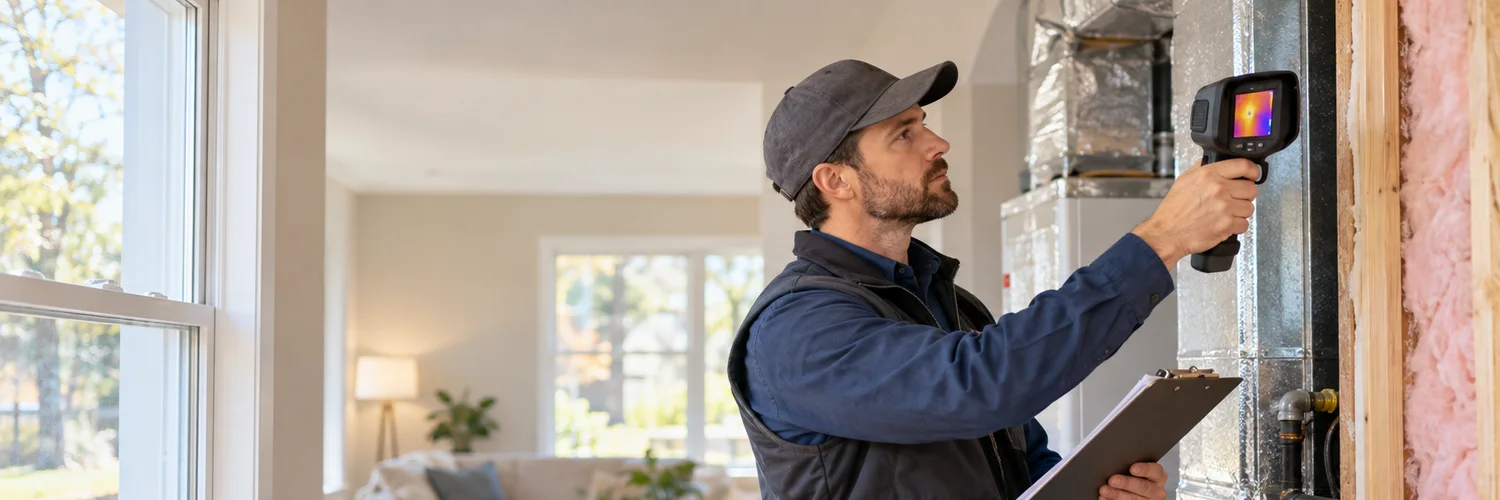
Homeowners may contact an energy auditor to better understand utility costs, comfort concerns, indoor conditions, or possible efficiency improvements. The auditor’s role is to gather relevant information and explain observations and options clearly, without promising a particular result.
A professional documentation system helps define the assessment, record what was observed, present findings, and distinguish practical recommendations from results that cannot be guaranteed. Clear reports can help clients understand the work and its limits.
Define the purpose of the assessment
Before the visit, ask what the homeowner wants to understand. Are they concerned about drafts, insulation, heating costs, uneven temperatures, ventilation, moisture, renovations, or future upgrades? Confirm the property address, size, age, access, utility information, and any areas that need special attention.
A written proposal can explain the areas included, equipment used, measurements, photographs, report format, estimated time, price, and limitations. If the work does not include repairs, engineering, hazardous-material testing, or a guarantee of savings, state that clearly.
Documents that help home energy auditors
1. Energy assessment proposal
The proposal should describe the assessment scope, site visit, testing, report, recommendations, travel, payment, and delivery timeline. Optional services such as follow-up testing, renovation consultations, or contractor coordination can be listed separately.
2. Home assessment intake form
Collect relevant information about the home, heating and cooling systems, utility concerns, recent renovations, comfort problems, and planned projects. The intake form helps focus the visit and gives the auditor context for the findings.
3. Site inspection checklist
A checklist can cover the building envelope, attic, basement, windows, doors, ventilation, heating, cooling, lighting, appliances, moisture indicators, and visible insulation. Adapt it to the scope and the methods you actually use.
4. Findings and recommendations report
A client-facing report should explain observations, measurements, photographs, priority areas, recommended next steps, and limitations. Use plain language and organize recommendations by priority, potential comfort relevance, possible energy opportunity, or likely project complexity.
5. Upgrade planning worksheet
Some clients need help comparing improvements. A worksheet can list the suggested action, reason, dependencies, estimated priority, questions for a contractor, and information still needed. Avoid presenting uncertain savings as guaranteed outcomes.
6. Invoice and follow-up notice
Invoices should show the assessment date, services, report, travel, additional work, deposit, and balance. A follow-up notice can invite the client to ask questions or schedule a review after they have read the report.
Explain limitations honestly
Energy performance depends on weather, occupant habits, equipment condition, utility rates, construction details, and the quality of future work. A single visit cannot predict every outcome. Identify what was visible, what was measured, what was estimated, and what requires further investigation.
Clear limitations help clients understand the evidence behind a recommendation and what questions may remain.
Make the report useful after the appointment
Homeowners may share the report with contractors, lenders, property managers, or family members. Use headings, photos, short explanations, and a prioritized action list. Make it easy to find the main findings while retaining the technical detail needed for a careful decision.
Keep the project file organized with the proposal, intake form, checklist, photographs, measurements, report, and invoice. That record can provide a reference for follow-up visits or future comparisons, while noting that conditions and methods may differ.
Professional reporting creates practical value
Home energy auditors help homeowners consider decisions about comfort, efficiency, and improvements. Proposals, intake forms, checklists, reports, planning worksheets, and invoices give that work a clear structure. Organized, understandable findings can help clients consider an informed next step.
Help clients prioritize the next action
Many homeowners feel overwhelmed when a report lists several possible improvements. A short priority section can group recommendations into immediate maintenance, low-cost changes, projects to investigate, and improvements that depend on another decision. This does not require promising a particular savings amount; it can simply help the client decide what to learn about first.
Invite the client to ask questions after reviewing the report. A follow-up conversation can clarify terminology, identify information for a contractor, or explain which findings could be reassessed after an improvement is completed.
The Home Energy Auditor Starter Kit includes a Home Energy Audit Service Agreement, Property Energy Intake, Energy Assessment Plan, Utility & Data Access Authorization, Non-Invasive Assessment Limitations, Home Energy Audit Checklist, Energy Findings & Recommendations Report, and Energy Audit Incident / Exception Report. Review the included documents and adapt them to your assessment scope, methods, local requirements, and actual practice.