The Growing Importance of Courier Freelancers in Today’s On-Demand Delivery Economy
Courier Freelancers coordinate shipment intake, custody, route, recipient verification, delivery evidence, and exceptions. Learn how structured records support that work.
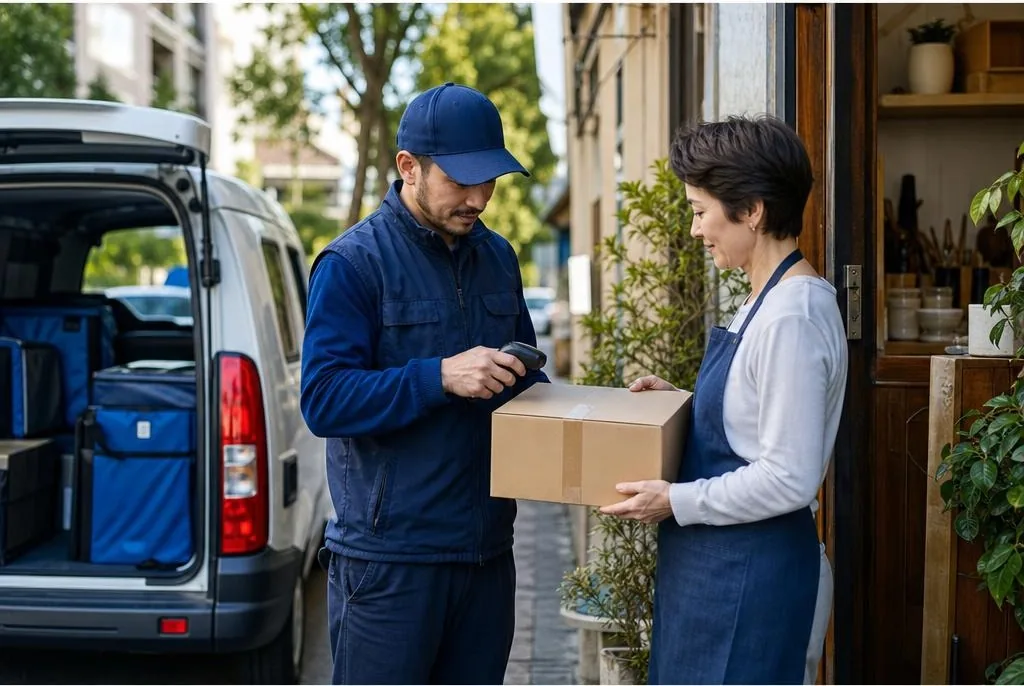
Businesses and individuals increasingly use local couriers for scheduled routes, same-day transport, direct handoffs, and deliveries that need more coordination than a standard parcel network provides. Courier Freelancers support that work by managing pickup, custody, route, recipient, delivery evidence, and exceptions within an agreed service.
Couriers can offer flexible local service, but they cannot guarantee every delivery time or safely transport every item. Traffic, weather, access, packaging, recipient availability, vehicle capacity, legal restrictions, and item-specific handling requirements all affect what can be accepted and promised.
What Courier Freelancers do
Courier Freelancers may collect and deliver packages, documents, retail orders, business supplies, or other permitted goods; manage scheduled routes; communicate status; verify recipients; record item condition; obtain delivery evidence; and document delays, failed access, loss, or damage.
Medical specimens, medicines, controlled items, dangerous goods, confidential records, court filings, legal service, alcohol, food, high-value property, and temperature-sensitive goods may require specialized qualifications, packaging, vehicles, custody controls, permits, contracts, or regulated providers. A general courier service should not claim those capabilities without meeting the applicable requirements.
Why coordinated local courier service matters
Businesses need flexible delivery options
A local courier may support urgent parts, customer orders, documents, interoffice transfers, scheduled pickups, or delivery windows that do not fit a larger carrier’s standard service. The service agreement should define the area, timing method, item limits, and delivery evidence rather than promise speed in every condition.
E-commerce creates local handoff needs
Retailers may use couriers for local fulfillment, returns, exchanges, or customer handoffs. Clear order references, package condition, recipient information, failed-delivery instructions, and proof of delivery help connect the retailer’s order system to the courier’s route.
Sensitive deliveries need specific controls
Confidential documents or regulated materials may require named recipients, sealed packaging, custody logs, identity checks, secure vehicles, privacy procedures, delivery deadlines, and incident escalation. The client and courier must confirm that the service is appropriate before pickup.
Customers value direct communication
A freelancer can often provide a clear point of contact and event-specific updates. Communication should protect recipient privacy and should not expose addresses, access codes, personal data, or delivery evidence to unauthorized people.
Specialized transport requires defined boundaries
Custom windows, careful handling, direct delivery, or multi-stop routes can be useful services. Each one affects pricing, capacity, route planning, waiting time, custody, insurance, and responsibility for packaging or loading.
The documentation challenge
Courier work can involve sender and recipient details, item descriptions, quantity, packaging, declared value, pickup and delivery locations, deadlines, route instructions, custody times, condition, identity verification, signatures or photographs, delays, failed access, claims, mileage, fees, and incidents.
Custody should be traceable from the person releasing the item through each authorized transfer to the final recipient or approved alternative action. A proof-of-delivery record confirms a handoff event; it does not automatically prove the contents, quality, legal effect, or condition of everything inside a sealed package.
Templates provide structure, but they do not guarantee on-time delivery, eliminate loss or damage, validate legal service, satisfy medical or dangerous-goods rules, transfer all liability, or ensure an insurer, court, regulator, customer, or client will accept the record.
Documents that support a courier workflow
Shipment and client intake
An intake can identify the sender, recipient, contacts, pickup and delivery locations, item description, quantity, packaging, declared value, requested timing, handling instructions, access details, prohibited or restricted status, and the person authorized to approve changes.
Pickup and delivery authorization
Authorization can define who may release and receive the item, identity checks, signatures, safe-drop limits, delivery alternatives, waiting time, failed-access instructions, return handling, and whether anyone else may redirect the shipment.
Prohibited-item and value disclosure
A disclosure can list excluded goods and require the client to accurately describe contents, value, fragility, hazards, temperature needs, confidentiality, legal restrictions, and packaging. The courier should reject items outside the service, vehicle, insurance, or legal scope.
Package condition checklist
A condition record can capture package count, seals, labels, visible damage, leaks, tampering, special marks, packaging adequacy, custody time, photographs where appropriate, and whether the courier accepted the item with an exception.
Route and daily delivery log
A route log can organize stops, planned windows, pickup and delivery times, distance, status, contact attempts, waiting, deviations, parking or access issues, and completion without exposing more personal information than the business needs.
Proof of delivery
The delivery record can identify the shipment, date, time, location, recipient, verification method, condition, signature or other authorized evidence, exceptions, and courier confirmation. Privacy, consent, retention, and client rules should guide photographs and location data.
Delay, loss, or damage report
A separate incident record can document traffic disruption, vehicle failure, weather, failed access, incorrect address, recipient dispute, loss, theft, package damage, custody points, evidence, notifications, immediate action, and the next claims or recovery step.
How strong documentation supports the service
Coordinated records help Courier Freelancers screen shipments, plan routes, verify custody, confirm recipient instructions, explain delays, maintain delivery evidence, and support factual incident handling. They also help clients understand item restrictions and their responsibilities for accurate information and suitable packaging.
Couriers should protect addresses, contact details, signatures, photographs, access codes, route data, confidential contents, and other personal or business information using approved tools, limited access, secure retention, and an incident-response process.
Build a repeatable courier workflow
A practical workflow follows the shipment: receive the request, screen the item and route, confirm pricing and timing, verify packaging and condition, obtain pickup authorization, record custody, communicate permitted status updates, verify the recipient, capture appropriate delivery evidence, and document any return, delay, loss, damage, or other exception.
Template Pro-Suite’s Courier Freelancer Starter Kit brings profession-specific agreement, intake, authorization, item disclosure, condition, delivery, incident, billing, and business records into one coordinated workflow. Review the included documents and adapt them to your service area, items, vehicle, clients, insurer, privacy practices, qualifications, and location.
Frequently asked questions
Can a Courier Freelancer guarantee same-day delivery?
A courier can offer a same-day service target or defined commitment, but guarantees should reflect realistic route capacity, cutoff times, distance, traffic, weather, access, recipient availability, and stated exceptions.
Does proof of delivery establish legal service of a document?
Not automatically. Legal service has jurisdiction-specific rules about who may serve, how service occurs, required attempts, recipients, affidavits, filing, and evidence. Use an appropriately qualified provider when formal service is required.
Can a general courier transport medical specimens?
Not automatically. Specimen transport may require approved packaging, training, labeling, temperature control, exposure procedures, custody, time limits, vehicles, permits, and contracts. The provider must meet the requirements that apply to the material and route.
Clear records support accountable delivery
Courier Freelancers connect senders, items, routes, recipients, and time-sensitive instructions. Organized documentation keeps the accepted item, custody, condition, authorization, delivery evidence, fees, and exceptions easier to understand from pickup through final handoff.
Editorial note: This article provides general operational information, not legal, medical, laboratory, dangerous-goods, transportation, privacy, insurance, tax, employment, or regulatory advice. Requirements and appropriate practices vary by item, packaging, vehicle, route, client, recipient, service promise, professional qualifications, and location.