The Growing Importance of Appliance Installation Freelancers in Today’s Home Service Industry
Appliance Installation Freelancers coordinate site readiness, authorized connections, testing, and customer handoff. Learn how structured records support a clear installation workflow.
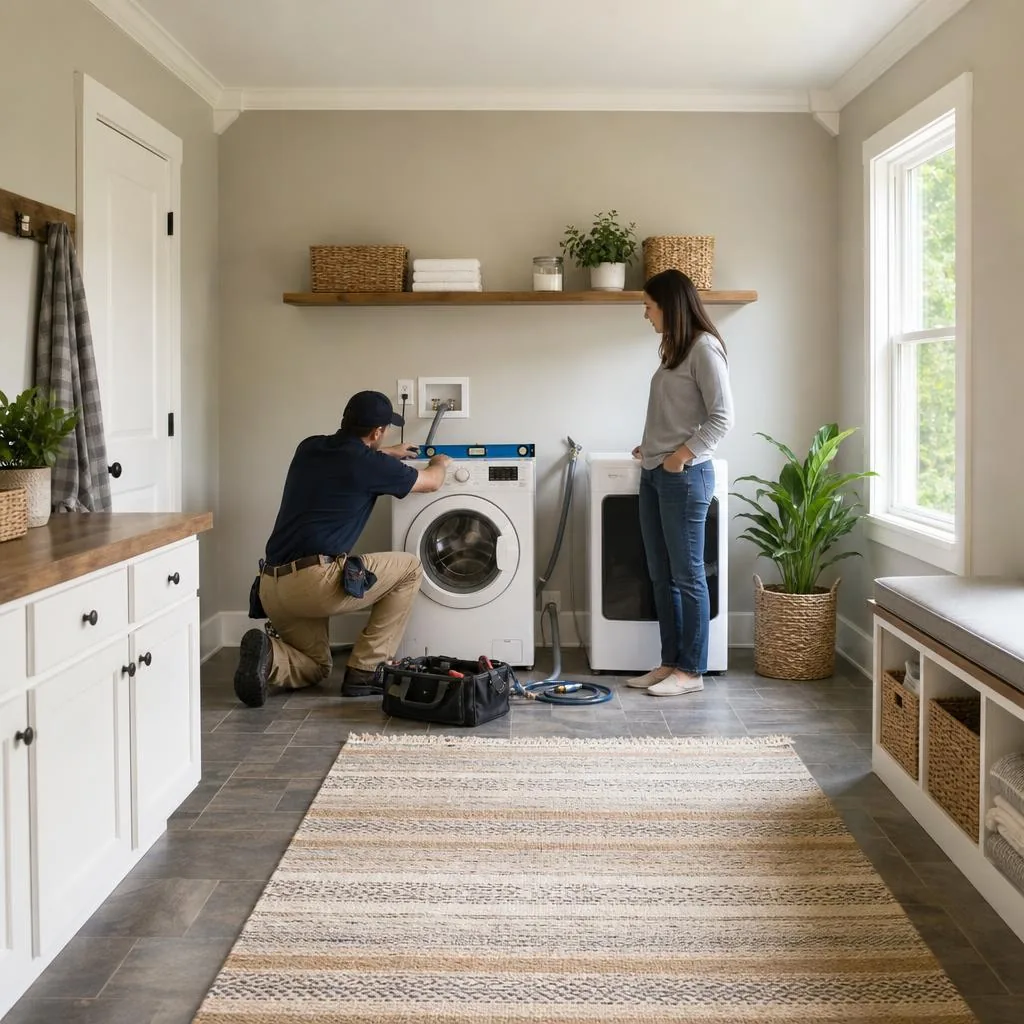
Modern homes include increasingly varied appliances, connected features, specialized clearances, and detailed manufacturer instructions. Appliance Installation Freelancers help customers move from delivery to a documented handoff by assessing the site, positioning the appliance, completing authorized connections, testing permitted functions, and explaining relevant operating information.
The work requires precision, practical communication, and a clear understanding of scope. An installer must know which tasks they are qualified and authorized to perform, which conditions need correction before work proceeds, and when a licensed trade or manufacturer-authorized service provider is required.
What Appliance Installation Freelancers do
Depending on their qualifications, insurance, location, and service agreement, appliance installers may handle washers, dryers, dishwashers, refrigerators, ovens, ranges, microwaves, and other household or commercial equipment.
Their work can include reviewing the appliance and installation area, checking access and dimensions, positioning and leveling equipment, completing permitted water, drain, vent, electrical, gas, or network connections, following applicable manufacturer instructions, testing selected functions, documenting exceptions, and completing the customer handoff.
Delivery, haul-away, cabinetry changes, new utility work, gas fitting, hardwiring, plumbing alterations, vent construction, and smart-home configuration may be separate services or may require additional authorization or appropriately licensed professionals.
Why appliance installation services remain important
Appliances and installation requirements vary
Connected controls, sensors, efficiency features, stacked configurations, ventilation needs, and model-specific components can make the installation process less uniform. Installers need the correct product instructions and must verify that the site, utilities, and accessories are compatible with the particular appliance.
Installation errors can create significant problems
A poorly fitted hose, unsuitable vent, unstable appliance, incorrect clearance, damaged cord, or incompatible connection can lead to leaks, poor performance, property damage, or safety concerns. Documentation cannot prevent every problem, but a careful readiness check and recorded test process can make conditions and decisions clearer.
Customers value coordinated mobile service
A freelancer can coordinate site questions, access, delivery timing, installation, removal limits, testing, and handoff through one defined appointment. Clear pre-visit information helps avoid arriving at a site that is not ready.
Retail and contractor relationships require consistency
Installers working with retailers, property managers, builders, or delivery companies may need to follow specific work orders, evidence requirements, escalation processes, and completion standards. Those partner requirements should be incorporated into the freelancer’s workflow without exceeding their authorized scope.
Good service can support repeat work
Customers may return for future replacements or recommend an installer when the original work is clearly scoped, carefully completed, and professionally documented. Repeat business depends on the actual service experience rather than documentation alone.
The documentation challenge
Appliance installation work can involve customer and site intake, product details, serial numbers, access conditions, utility information, manufacturer instructions, installation scope, existing damage, readiness checks, connection authorization, testing results, exceptions, incidents, and customer acceptance.
A generic form may not distinguish between positioning an appliance and modifying a utility connection. It may also overlook narrow access routes, flooring protection, cabinetry clearances, shutoffs, drainage, ventilation, client-supplied parts, haul-away conditions, or visible pre-existing damage.
Templates provide a consistent structure, but they do not authorize regulated work, transfer every risk, guarantee warranty coverage, or replace manufacturer instructions, permits, inspections, insurance conditions, or advice from qualified trades and legal professionals.
Documents that support an installation workflow
Appliance and site intake
An intake record can identify the appliance type, model and serial number, installation address, dimensions, access route, proposed location, available utilities, cabinetry, drainage, ventilation, flooring, delivery status, removal needs, and customer contacts.
Installation scope and compatibility record
A scope record can distinguish included installation tasks from excluded repairs, alterations, trade work, parts, delivery, disposal, or smart-home support. Compatibility questions should be resolved before work begins or documented as conditions preventing completion.
Utility and connection authorization
Where appropriate, written authorization can identify the water, drain, vent, electrical, gas, network, shutoff, disconnection, and test actions the customer has approved. Authorization does not permit the installer to perform work outside their qualifications or applicable law.
Pre-installation readiness checklist
A readiness check can confirm the model, parts, access route, installation space, clearances, surface condition, utilities, shutoffs, drainage, ventilation, tools, customer decisions, and required instructions. If a critical condition is unsuitable, the record should show why work stopped and what must happen next.
Testing and completion report
A completion report can record positioning, leveling, securing, connections, selected cycles or functions tested, leak checks, observed limitations, instructions provided, remaining work, photographs or other evidence where appropriate, and customer acknowledgment.
Incident and exception report
Leaks, electrical concerns, gas concerns, damaged products, property damage, missing components, failed tests, or unsafe conditions may require a separate factual record and immediate action under the installer’s emergency, insurer, retailer, manufacturer, or regulatory procedures.
How strong documentation supports the service
Coordinated records help an installer prepare for the visit, define boundaries, preserve product and site details, explain incomplete work, support handoffs, and maintain consistency across jobs. They also give customers a clearer record of what was requested, completed, tested, excluded, or referred elsewhere.
Liability waivers and customer acknowledgments should be used carefully. Their effect varies by wording and jurisdiction, and they do not excuse unsafe work or override consumer rights, professional duties, insurance conditions, or legal requirements.
Build a repeatable installation workflow
A practical workflow follows the job sequence: gather product and site details, confirm the service scope, review access and compatibility, record existing conditions, verify readiness, obtain appropriate authorization, perform only permitted work, test and document the result, explain limitations, and complete the handoff.
Template Pro-Suite’s Appliance Installation Freelancer Starter Kit brings profession-specific agreement, intake, authorization, compatibility, readiness, completion, incident, and business records into one coordinated workflow. Review the included documents and adapt them to your services, qualifications, insurer, partner requirements, and location.
Frequently asked questions
Can an appliance installer complete every utility connection?
No. The answer depends on the connection, appliance, qualifications, licensing rules, permits, site, insurer, and local requirements. New or altered gas, electrical, plumbing, ventilation, or other regulated work may require an appropriately licensed trade.
Does an installation record guarantee the manufacturer’s warranty?
No. Warranty terms are set by the manufacturer or seller and may include model-specific installation, parts, registration, service-provider, evidence, and claim requirements. Customers and installers should check the applicable terms directly.
Should an installer proceed when the site is not ready?
Not when the condition would make the work unsafe, unauthorized, incompatible, or outside the agreed scope. The installer should document the condition, explain the next step, and follow the relevant rescheduling, referral, retailer, or escalation process.
Clear records support a professional installation
Appliance Installation Freelancers coordinate products, properties, utilities, manufacturer instructions, customer expectations, and mobile service logistics. A clear documentation system helps make the scope, site conditions, testing, exceptions, and handoff easier to understand across every job.
Editorial note: This article provides general operational information, not legal, electrical, gas, plumbing, building-code, engineering, manufacturer, warranty, insurance, licensing, or safety advice. Requirements and appropriate practices vary by appliance, connection, property, qualification, insurer, manufacturer, and location.