Documents That Support Responsible Environmental Field Work
A practical guide to proposals, sampling records, field reports, chain-of-custody documentation, and invoices for environmental technicians and field service providers.
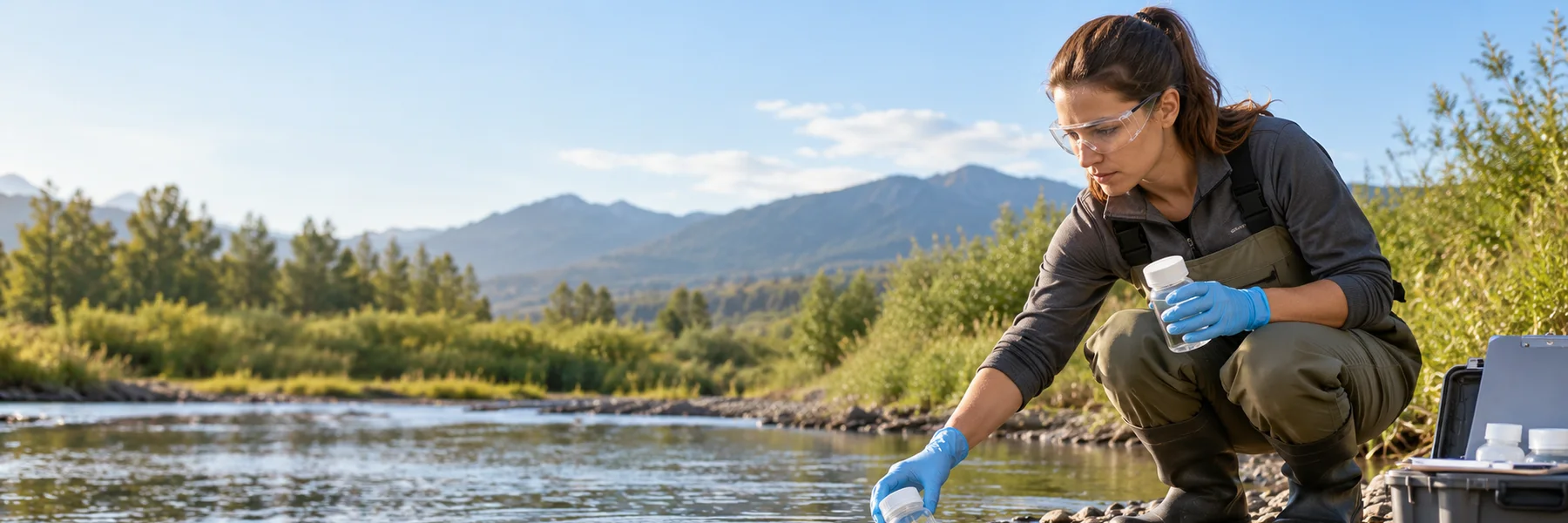
Environmental technicians work where careful observation, accurate records, and responsible handling of information matter. A site visit may involve water, soil, air, waste, vegetation, construction activity, or environmental conditions that a client needs to understand and document.
The work in the field is only part of the service. Clients also need a clear scope, reliable records, understandable findings, and a professional report that explains what was done and what the results mean within the limits of the assignment.
Define the assignment before visiting the site
Environmental requests can be broad. A client may ask for a sample, a site check, a compliance support visit, or documentation for a property transaction. Before accepting the work, identify the site, purpose, areas to be covered, parameters to be observed or sampled, equipment required, access arrangements, expected deliverables, and timeline.
A written proposal helps separate the services you are providing from services that require a different qualification, laboratory, engineer, scientist, regulator, or other professional. Clear boundaries can help both the client and technician understand the scope.
Useful documents for environmental technicians
1. Environmental field service proposal
The proposal should explain the project objective, site location, field activities, sample types, number of visits, equipment, reporting, laboratory coordination if included, price, and schedule. List assumptions such as site access, weather, safety conditions, client-provided records, and the availability of sampling points.
2. Site access and safety acknowledgment
Field work can involve water, uneven ground, construction areas, industrial equipment, traffic, wildlife, or contaminated materials. A site access document can record who authorized the visit, which areas are available, known hazards, required protective equipment, emergency contacts, and any site-specific rules. It should complement your safety procedures and applicable requirements.
3. Field observation and sampling record
A field record can include the date and time, weather, location, equipment, sample identification, observations, measurements, photographs, deviations from the plan, and the names of people present. Consistent records can make it easier to prepare a report and answer questions later.
4. Sample transfer or chain-of-custody record
When samples are transferred to a laboratory or another party, document what was collected, when it was collected, how it was preserved or stored, who handled it, and when it was received. The exact requirements depend on the project and applicable procedures, so your template should be adapted to the type of work being performed.
5. Environmental field report
A client-facing report should distinguish observed facts, recorded measurements, laboratory results, professional interpretation, and limitations. Explain the areas visited, methods used, conditions on the day, findings, photographs or attachments, and recommended next steps where appropriate.
6. Invoice and project closeout
An invoice should match the approved scope and identify field visits, analysis, reporting, travel, additional work, deposits, and balance due. A closeout note can confirm what was delivered and identify any items waiting on laboratory results or client action.
Accurate records build trust
Environmental work often supports decisions with financial, operational, health, or regulatory consequences. Clients need to understand how information was gathered and the limits of the service. A consistent field record can show how the work was approached.
It is important not to overstate what a visit proves. A visual observation may identify a condition that warrants further assessment, but it may not establish the full cause or extent. Clear wording helps preserve the integrity of the report.
Make technical information understandable
Reports should be accurate without becoming unreadable. Start with a plain-language summary, then provide the technical detail needed by the client, laboratory, consultant, regulator, or project team. Define unfamiliar terms and explain why a finding matters.
Use photographs and tables where they improve understanding, but label them carefully. Note the date, location, and purpose of each image or measurement when that information is relevant.
Keep project files consistent
Use a standard project name, site identifier, date format, and file naming convention. Keep proposals, field records, photographs, laboratory communications, reports, and invoices connected to the same project. A consistent structure can make information easier to find and handoffs easier to manage.
Review your templates whenever your services, equipment, reporting format, or responsibilities change. A good template gives you a starting point; it should never replace professional judgment or the procedures required for the assignment.
Responsible field work deserves responsible documentation
Environmental technicians provide information that helps clients understand properties, projects, and conditions in the real world. Proposals, safety records, field notes, sample-transfer records, reports, and invoices can support that work from beginning to end. Clear documentation can help clarify handoffs and create a useful project record.
Review the file before closing the project
Before sending the final report, check that the site name, dates, sample identifiers, photographs, attachments, and client contact details are consistent. Confirm that any limitations or pending results are clearly identified. A short internal review may catch a transcription error or missing attachment before the client receives the file.
Over time, well-organized project records can also help you estimate similar assignments, explain your process to new clients, train support staff, and identify the services that are most valuable to the market you serve.
The Environmental Technician Starter Kit includes an Environmental Field Services Agreement, Environmental Site & Project Intake, Field Monitoring & Sampling Plan, Site Access & Sampling Authorization, Field Scope, Hazard & Results-Limit Acknowledgement, Environmental Field Safety & Equipment Checklist, Environmental Field, Sample & Chain-of-Custody Log, and Environmental Field Deviation / Incident Report. Review the included documents and adapt them to the assignment, qualifications, applicable procedures, and location.