The Documents That Make Every Drone Photography and Inspection Project More Professional
Explore how clear scopes, service agreements, preflight records, site authorizations, file delivery, and payment records support drone photography and inspection work.
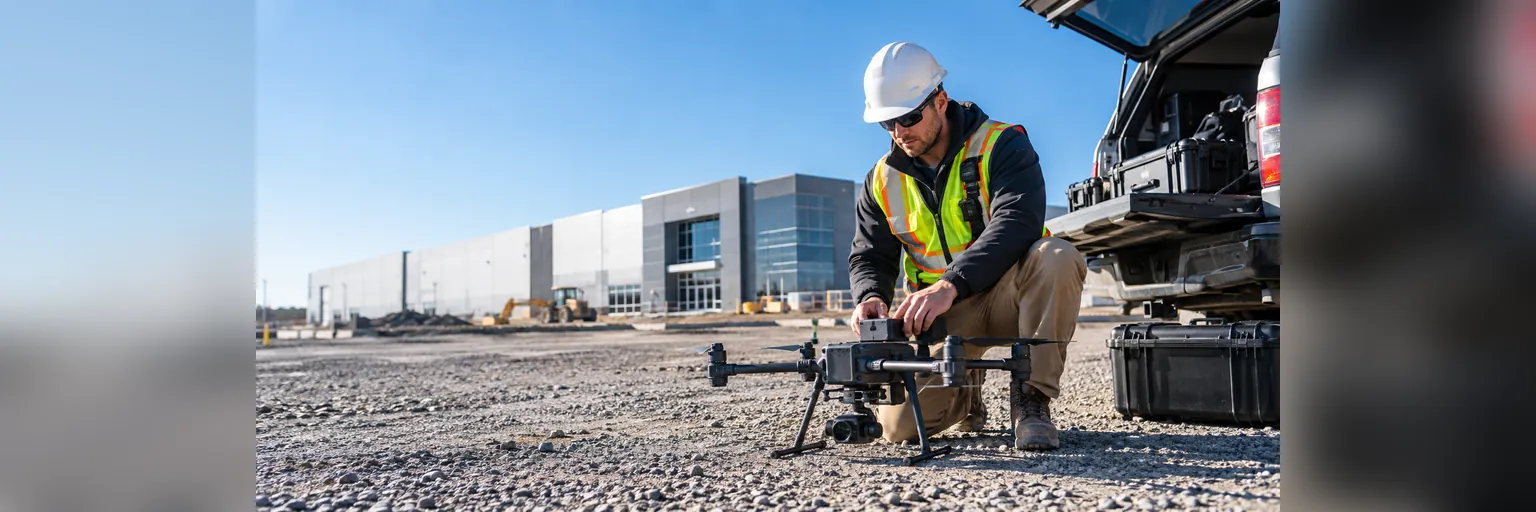
Drone operators do more than capture impressive images. They plan flights, coordinate site access, communicate the limits of what imagery can show, handle client information, deliver files, and may organize visual observations for a client’s decision. The exact service depends on the operator’s skills, equipment, assignment, and applicable requirements.
That combination of technical work and client coordination makes documentation useful. A service estimate can define the assignment before takeoff. A preflight checklist can record weather, equipment, site hazards, planned controls, and a go/no-go decision, but it does not establish that an operation is safe or authorized. A delivery record can help identify what was provided, when it was provided, and any agreed handling instructions.
Start with a precise project scope
Drone projects can sound simple until the details are discussed. A client may ask for “some aerial photos,” but the actual assignment could involve roof images, progress documentation, promotional video, thermal data, mapping, infrastructure review, or a combination of services. Each purpose can affect the flight plan, equipment, turnaround time, editing, and final deliverables.
A service estimate, prepared through the operator’s usual quoting workflow, can identify the property or site, requested service, intended use of the footage, deliverables, schedule, price, and conditions that could affect the work. If access, weather, airspace, lighting, or site activity could change the plan, discuss that before the client approves the project. The estimate and agreement document the service arrangement; they do not replace flight permissions or other required approvals.
Essential documents for drone operators
1. Drone photography or inspection service estimate
A service estimate can turn an initial conversation into a defined project. It should describe what will be captured, how agreed work will be delivered, the estimated timeline, price, and exclusions. For inspection-related work, explain whether the service is visual documentation, an organized image set, or observations, and avoid promising conclusions that require qualifications or testing outside the agreed service.
2. UAV service agreement
The profession-specific service agreement is described as defining the requested aerial service, deliverables, schedule, fees, site coordination, and limits. For a particular project, check whether payment, access, weather delays, client responsibilities, rescheduling, file delivery, confidentiality, or image-use rights need explicit treatment, and adapt the agreement to that scope. Different projects may need different usage terms, so review the document against the work and applicable requirements.
3. Preflight checklist and weather record
A preflight checklist can record the site, date, weather observations, nearby people and property, aircraft checks, battery status, hazards, planned controls, and the operator’s go/no-go decision. Keeping a consistent record helps document conditions and decisions after the project. A checklist is not flight authorization, a safety certification, or a substitute for required operating procedures.
4. Site access and privacy authorization
Commercial sites can contain employees, visitors, vehicles, power lines, active construction, and sensitive operations. A property and privacy authorization can record property access permission, privacy instructions, adjacent-area concerns, authorized contacts, and client responsibilities. It should not be treated as a substitute for required aviation permissions, airspace authorization, insurance, privacy compliance, or legal advice; it is a practical record of the agreed site information.
5. Image and file delivery record
Clients may need more than a folder of files. An image index and data delivery record can identify the date of capture, areas covered, files delivered, transfer method, recipient, agreed retention instructions, and any open delivery items. For inspection-related work, use careful language that separates visible observations from assumptions. Images can document what was visible from the air, but they may not reveal concealed conditions or replace an appropriately qualified inspection.
6. Invoice and payment follow-up
A clear invoice can connect a payment request to the approved estimate or agreement. Include the project name, service date, deliverables, deposit or balance, due date, payment instructions, and contact information. If an invoice becomes overdue, a professional reminder can state the amount outstanding and when payment was expected. Invoices and payment notices are general business records; they are not among the drone-specific documents listed in the profession catalog.
Documentation protects creative work too
High-quality aerial imagery may be reused in advertising, listings, presentations, social media, reports, and future campaigns. The agreement can explain what the client may do with the material and whether the operator may use selected images in a portfolio. If music, logos, people, or private property appear in footage, additional permission or rights questions may arise.
Being specific about usage rights can help avoid a common misunderstanding: a client may assume that paying for a project means unlimited use everywhere, while the operator expected a narrower license. Clear, project-specific terms make the intended use easier to discuss; they do not guarantee that every rights issue has been resolved.
Make the process easy for commercial clients
Property managers, contractors, real estate professionals, insurers, and facility owners often work with multiple vendors. Consistent terminology across an estimate, site records, delivery information, and payment records can make it easier for a client to review the project and share results internally.
Templates provide a repeatable starting point for recording the site, deliverables, schedule, and conditions for each assignment. Review and adapt them to the specific operation, aircraft, client, location, and applicable requirements.
Build confidence before takeoff
Drone work is visual, but the business behind it should be understandable in writing. Clear records can set expectations, document planning and operational decisions, describe the limits of the service, and give clients a record of what was completed. They do not ensure safe operations, protect creative work by themselves, or guarantee a particular client outcome.
Template Pro-Suite’s Drone Photography / Inspection Operator Starter Kit includes profession-specific records such as a service agreement, property and privacy authorization, mission intake, preflight and weather checklist, flight log, image index, data delivery and retention record, and incident report. Review the included documents and adapt them to the assignment, aircraft, client, site, qualifications, and location. These records do not replace required aviation, airspace, privacy, insurance, or regulatory approvals.
Editorial note: This article provides general operational information, not aviation, legal, privacy, surveying, engineering, structural, thermal, insurance, environmental, agricultural, safety, or regulatory advice. Requirements and appropriate practices vary by aircraft, sensor, operation, airspace, site, data, client, professional qualifications, authority, and location.