7 Documents Every Mobile Mechanic Should Prepare Before the Next Service Call
Mobile repairs happen away from a traditional shop counter. These seven documents help independent mechanics record approvals, protect the workflow and give customers a professional experience.
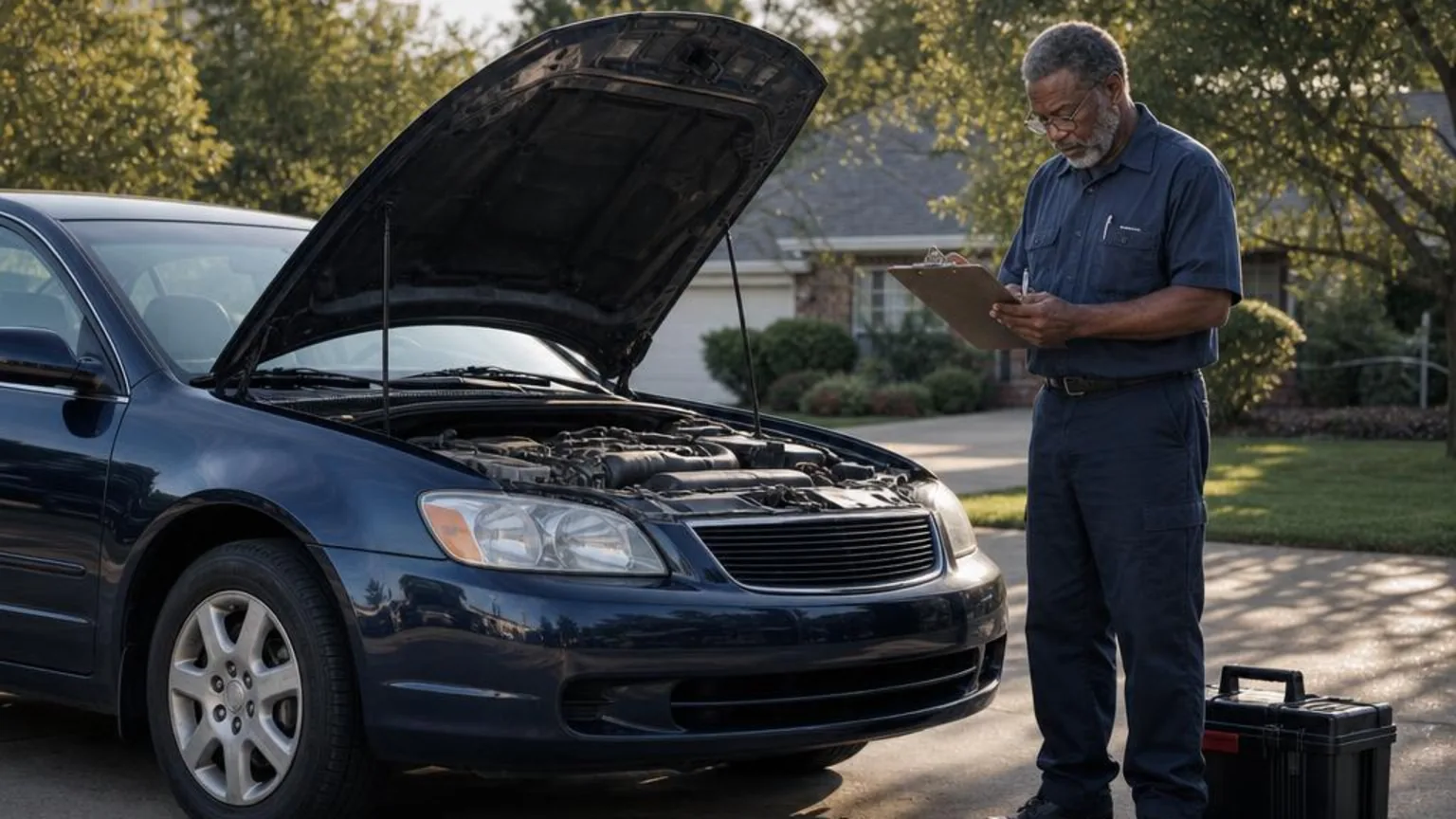
Mobile mechanics solve a problem that traditional repair shops cannot: they bring diagnostics and repairs directly to the customer. That convenience is valuable, but it also changes the way the job needs to be documented. There may be no service counter, no front-desk intake process and no printed work order waiting in a shop system. Important decisions are often made beside a vehicle, over the phone or through a short series of messages.
That is exactly where clear paperwork earns its place. The right documents create a shared record of the vehicle, the customer’s request, the mechanic’s findings, the approved work and the condition in which the vehicle was returned. They help both sides understand what has—and has not—been agreed.
The seven documents below are not a universal legal checklist. Requirements vary by location and by the type of work performed. They are a practical operational foundation that mobile mechanics can adapt to their services, local rules and insurance requirements.
1. Vehicle and client intake form
Every job should begin with the correct customer, vehicle and service-location information. A vehicle and client intake form gives those details one reliable home instead of scattering them across text messages, emails and handwritten notes.
Useful fields include the customer’s contact information, vehicle year, make, model, licence plate, vehicle identification number, current mileage, service location and the customer’s description of the problem. It can also record previous repairs, warning lights, unusual sounds and any access instructions for the worksite.
The customer’s description should be recorded as a reported symptom, not as a confirmed diagnosis. “Customer reports a grinding sound while braking” is clearer than prematurely writing “brakes need replacement.” That distinction preserves the diagnostic process and reduces misunderstandings later.
2. Diagnostic authorization
An intake form records what the customer has noticed. A diagnostic authorization records what the mechanic has permission to do next.
The authorization should describe the initial inspection or testing, any diagnostic fee, the maximum amount authorized before further approval is required and whether limited disassembly may be necessary. It should also make clear that diagnosis is not the same as authorization to complete every recommended repair.
This separation is especially useful for mobile work. A customer can approve the diagnostic visit first, review the findings and then decide whether to proceed with repair work. Both parties have a clear decision point instead of relying on a hurried verbal conversation.
3. Pre-service vehicle condition checklist
Before tools come out, the mechanic should document the vehicle’s visible condition. A short walkaround checklist can record existing dents, scratches, cracked glass, warning indicators, fluid leaks, loose trim, valuables left in the work area and other relevant observations.
Photos can be attached to the record when appropriate. The goal is not to make the customer feel distrusted. It is to establish a calm, factual starting point so both sides are looking at the same condition before work begins.
For roadside or driveway repairs, the checklist can also capture worksite conditions such as traffic exposure, unstable ground, restricted clearance, poor lighting or weather. If the location is not reasonably safe, the record supports a decision to relocate or postpone the work.
4. Diagnostic repair estimate
Once the diagnostic work is complete, the customer needs more than a total price. A useful repair estimate connects the mechanic’s findings to the recommended work.
List the reported concern, the diagnostic findings, proposed labour, parts, supplies, taxes or fees where applicable, expected completion timing and any conditions that could change the estimate. Separate required work from optional or future recommendations so the customer can make an informed decision.
An estimate should also explain how changes will be handled. If additional damage becomes visible only after a component is removed, the customer should know that work will pause until a revised estimate or change authorization is approved. This prevents an estimate from quietly becoming an open-ended bill.
5. Parts and materials approval
Parts decisions deserve their own record because “replace the part” can still leave several important questions unanswered. The customer may be choosing between original-equipment, aftermarket, remanufactured or used components, each with different pricing, availability and warranty terms.
A parts approval form can identify the selected option, quoted price, expected delivery timing, warranty source, core charge, return restrictions and whether substitutions require new approval. If the customer supplies a part, record that fact along with any limits on workmanship or part-related warranties that apply in the mechanic’s location and business policy.
This is particularly valuable for mobile mechanics, who may have to order or collect parts before returning to the service location. Written approval reduces the risk of purchasing a component the customer did not expect or authorize.
6. Mobile auto repair service agreement
The service agreement establishes the working rules that apply across the job. It should identify the parties, the approved service, payment expectations, cancellation or rescheduling terms, customer responsibilities, site-access requirements and the process for approving additional work.
Mobile service also creates boundaries that a shop-based agreement may overlook. The customer may need to provide legal access to the vehicle, keep children and pets away from the work area, disclose known hazards and avoid moving or operating the vehicle while work is underway. The agreement can describe what happens when weather, site conditions or safety concerns prevent the mechanic from continuing.
Use language that matches the actual business rather than copying terms from a conventional repair shop. Contract, consumer-protection, automotive-repair and electronic-signature requirements vary by jurisdiction, so the completed agreement should be reviewed for the locations in which it will be used.
7. Repair completion and roadworthiness notice
The final handoff should be documented as carefully as the intake. A repair completion notice records the work performed, parts installed, tests completed, recommendations still outstanding and any limitations the customer needs to understand before operating the vehicle.
The document can also reference the final invoice, warranty information and follow-up instructions. When a vehicle has unresolved concerns or was repaired only to a limited scope chosen by the customer, those facts should be stated clearly and without exaggeration.
A completion notice should record the mechanic’s work and observations; it should not promise how a vehicle will perform indefinitely. Precise wording is more useful than broad guarantees. The customer acknowledgement confirms receipt of the information, not necessarily agreement with every technical conclusion.
A simple workflow for using the documents
Before travelling
Collect the vehicle and client intake information, confirm the service location and explain any diagnostic or call-out fee.
On arrival
Complete the condition and site-safety check before beginning inspection or repair work.
Before diagnosis
Obtain diagnostic authorization and confirm the spending limit.
After diagnosis
Present the findings and repair estimate in writing.
Before ordering parts
Record the customer’s parts selection and approval.
Before additional work
Use the service agreement and a written change process to document anything outside the original scope.
At handoff
Provide the completion notice, recommendations, warranty information and final invoice.
Supporting records that complete the system
The seven documents above form the core workflow, but some jobs require additional records. A roadside or worksite safety acknowledgement can document location-specific hazards. An incident or damage report creates a consistent record if something unexpected occurs. A properly itemized invoice closes the financial side of the job and should correspond with the approved estimate and any later changes.
The objective is not to bury a small business in paperwork. It is to use the right document at the moment when a decision is being made. A short, well-timed form is far more useful than trying to reconstruct a conversation after a disagreement.
Frequently asked questions
Can one work order replace all seven documents?
For a simple service, several steps can be combined into a carefully designed work order. The important point is that intake details, condition, authorization, estimate, parts choices, changes and completion information remain clearly distinguishable. More complex jobs benefit from separate records because each decision may happen at a different time.
Can mobile mechanics use electronic approvals?
Electronic approvals can make a mobile workflow faster, but signature and record-retention requirements vary by jurisdiction. The system should preserve what the customer reviewed, what they approved and when the approval occurred. Confirm the requirements that apply where the business operates.
Should customer-supplied parts be documented?
Yes. Record the exact part supplied, its apparent condition and any limitations that apply to installation, fit, performance or warranty. The customer should understand which obligations belong to the mechanic and which remain with the part seller or manufacturer.
Build a more professional mobile repair process
Good documentation does not replace mechanical skill. It supports that skill by making the customer experience clearer from the first message to the final handoff. Customers know what was inspected, what they approved, what changed and what work was completed. The mechanic gains an organized record instead of relying on memory and scattered conversations.
Template Pro-Suite’s Mobile Car Mechanics Starter Kit brings the complete workflow together with ten profession-specific documents, including intake, authorization, estimate, parts approval, safety, completion, incident and invoicing records. Explore the Mobile Car Mechanics Starter Kit and review the documents before choosing the export options that fit your business.
Editorial note: This article provides general operational information and is not legal, tax, insurance or regulatory advice. Requirements vary by location, service type and business circumstances.