The Critical Role of Asbestos Testing Technicians in Modern Property Safety
Asbestos Testing Technicians coordinate controlled sampling, chain of custody, laboratory analysis, and results delivery. Learn how structured records support that process.
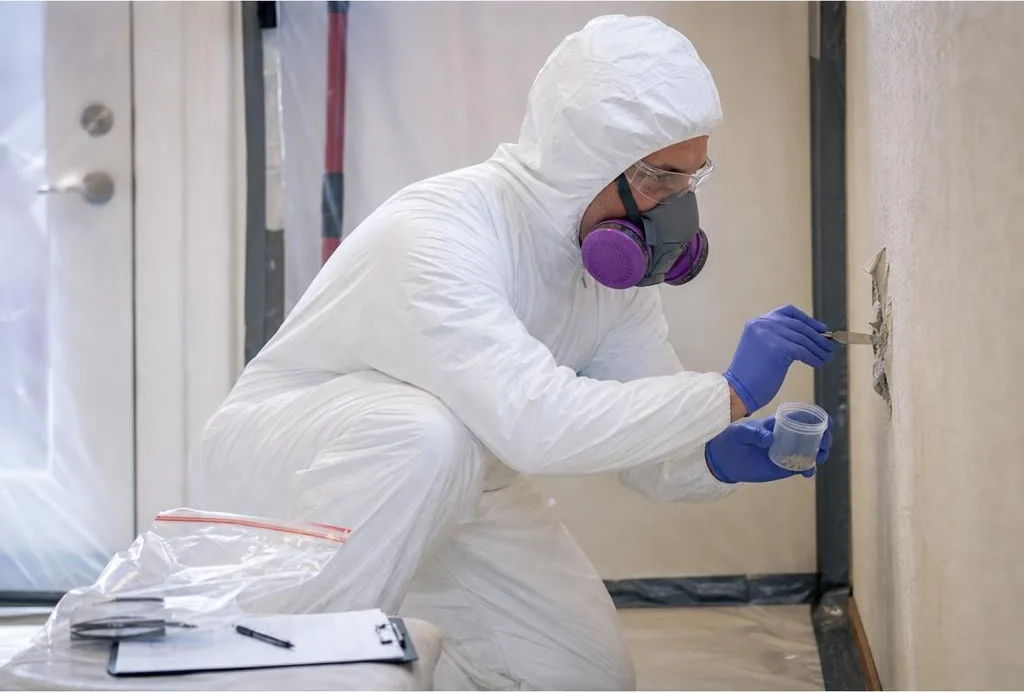
Asbestos-containing materials may still be present in older residential, commercial, institutional, and industrial properties. When suspect materials are damaged or will be disturbed by renovation, maintenance, or demolition, properly scoped inspection and testing can provide information needed for the next decision.
Asbestos Testing Technicians work within tightly controlled processes involving property access, sampling authorization, occupant protection, sample identification, chain of custody, laboratory analysis, reporting, and referrals. The qualifications, licenses, methods, and reports required vary significantly by location and type of project.
What Asbestos Testing Technicians do
Depending on their qualifications and jurisdiction, technicians may review building information, identify suspect materials for sampling, establish a sampling plan, prepare or isolate the immediate work area, collect controlled samples, label and seal containers, document sample locations, transfer samples to an appropriate laboratory, and deliver the resulting laboratory information to the client.
Some providers may also be qualified and engaged to conduct air monitoring, post-remediation clearance activities, surveys, management planning, or other specialized work. Those services should not be assumed from a general sampling engagement, and the applicable method and authority should be confirmed before work begins.
Visual appearance alone generally cannot confirm whether a material contains asbestos. Laboratory analysis of a representative sample collected under an appropriate process may be required, unless the material is handled as presumed asbestos-containing material under the applicable rules.
Why controlled asbestos testing matters
Older properties can contain many suspect materials
Depending on the property, age, location, and construction history, suspect materials may include insulation, resilient flooring and mastics, textured coatings, ceiling products, cement products, siding, roofing, joint compounds, fireproofing, or components associated with mechanical systems. Product type and age do not establish a result on their own.
Renovation and demolition can disturb concealed materials
Cutting, drilling, sanding, breaking, stripping, or removing building materials can release dust and fibers. Pre-work survey and testing duties depend on the location, building type, project, material, employer, and regulatory framework.
Asbestos exposure is a serious health concern
Health authorities associate inhaled asbestos fibers with serious diseases, including mesothelioma, lung cancer, and asbestosis. Suspected exposure, health concerns, and medical questions should be addressed through the appropriate emergency, occupational-health, public-health, or medical channels rather than through a template or general service record.
Regulatory duties are location-specific
Rules may address who may inspect or sample, required training or licensing, survey timing, laboratory accreditation, notifications, work practices, air monitoring, clearance, waste, records, and communication. Requirements before renovation, demolition, sale, occupancy change, or maintenance are not uniform across jurisdictions.
Clear scope protects the integrity of the process
Clients need to know which areas and materials were included, how sample locations were selected, which laboratory methods were requested, and what the report does not establish. A limited sample set should not be described as proof that an entire property is free of asbestos.
The documentation challenge
Asbestos testing work can involve client and property intake, prior reports, building use, access conditions, suspect materials, sample locations, occupants, sampling authorization, safety controls, sample identifiers, photographs, chain of custody, laboratory requests, transfers, results, limitations, incidents, and referrals.
Each sample must remain traceable from the material and exact location to the container, custody record, laboratory receipt, analysis, and reported result. Inconsistent identifiers or incomplete transfers can undermine the usefulness of the record.
Templates provide structure, but they do not grant authority to sample, replace regulated forms, establish a compliant method, certify a property as safe, interpret every laboratory result, authorize remediation, or guarantee acceptance by a regulator, insurer, purchaser, contractor, or other party.
Documents that support an asbestos-testing workflow
Property and sampling intake
An intake record can capture the property address, building use and approximate age, project purpose, areas of concern, prior surveys or reports, known renovations, suspect materials, occupants, access restrictions, client contacts, and the intended use of the results.
Sampling plan and area authorization
The plan can identify the included materials and areas, proposed sample locations, selection method, anticipated minor disturbance, isolation or access restrictions, temporary sealing, restoration responsibility, photographs, laboratory, requested analysis, and conditions that may require work to stop.
Occupant and access risk disclosure
A disclosure can explain restricted areas, occupant and client responsibilities, testing limitations, possible material disturbance, conditions requiring a specialized response, and the boundaries between sampling, air monitoring, remediation, medical advice, and legal or regulatory decisions.
Pre-sampling safety checklist
A checklist can confirm authorization, required credentials, site assessment, occupants, immediate isolation, personal protective equipment, controlled methods, tools, sample containers, labels, cleanup supplies, decontamination, waste handling, emergency arrangements, and applicable procedures.
Laboratory chain of custody
A custody record can track the unique sample identifier, material description, exact location, collection date and time, collector, requested analysis, container and seal condition, each transfer, courier or delivery information, laboratory receipt, and any exception.
Results delivery record
A results record can reference the laboratory report, identify which samples and locations it covers, record delivery to the authorized client, state relevant limitations, distinguish laboratory findings from recommendations, and document referrals or next steps.
Sampling incident or exposure report
Unexpected disturbance, damaged containment, an unplanned release, injury, suspected exposure, lost custody, broken containers, or another deviation may require immediate controls and separate reporting. Completing a form must not delay emergency action or any mandatory notification.
How strong documentation supports the service
Coordinated records help technicians prepare the site, control access, preserve sample identity, show custody, connect laboratory results to exact locations, explain limitations, and maintain a factual account of deviations. They also make it easier for clients and qualified follow-on professionals to understand what information is available.
Documentation does not by itself reduce legal liability, prove regulatory compliance, or determine whether a property may be occupied or work may proceed. Those decisions must follow the applicable authority, project requirements, qualified professional advice, and actual evidence.
Build a repeatable testing workflow
A practical workflow follows the sample: gather the property and project information, define the inspection and sampling scope, confirm qualifications and authorization, assess access and occupants, plan and control each sample location, assign identifiers, collect and seal samples, document custody, use the appropriate laboratory, deliver results with limitations, and record referrals or incidents.
Template Pro-Suite’s Asbestos Testing Technician Starter Kit brings profession-specific agreement, intake, sampling authorization, risk disclosure, chain-of-custody, safety, results, incident, and business records into one coordinated workflow. Review the included documents and adapt them to your credentials, methods, laboratory, clients, regulator, insurer, and location.
Frequently asked questions
Can a visual inspection confirm that a material contains asbestos?
Generally, appearance alone cannot confirm asbestos content. Depending on the applicable rules, representative sampling and appropriate laboratory analysis may be required, or the material may need to be managed as presumed asbestos-containing material.
Does a negative sample mean the entire property is asbestos-free?
No. A result applies to the analyzed sample and must be understood alongside the sampling plan, material group, locations, methods, inaccessible areas, and report limitations.
Can every asbestos technician issue clearance documentation?
No. Air monitoring and clearance requirements, methods, independence rules, credentials, and authority vary by jurisdiction and project. The provider’s qualifications and engagement must match the required service.
Precise records support a defensible testing process
Asbestos Testing Technicians work at the intersection of hazardous materials, occupied properties, laboratories, contractors, and location-specific rules. A clear documentation system keeps authorization, controls, sample identity, custody, results, limitations, and next steps connected throughout the assignment.
Editorial note: This article provides general operational information, not legal, medical, occupational-health, industrial-hygiene, laboratory, remediation, environmental, insurance, licensing, or regulatory advice. Requirements and appropriate methods vary by property, material, project, service scope, professional qualifications, laboratory, and location.