The Critical Role of Arborists and Tree Inspectors in Protecting Urban and Natural Landscapes
Arborists and Tree Inspectors document visible tree conditions, site constraints, targets, and recommendations. Learn how structured records support a clear inspection workflow.
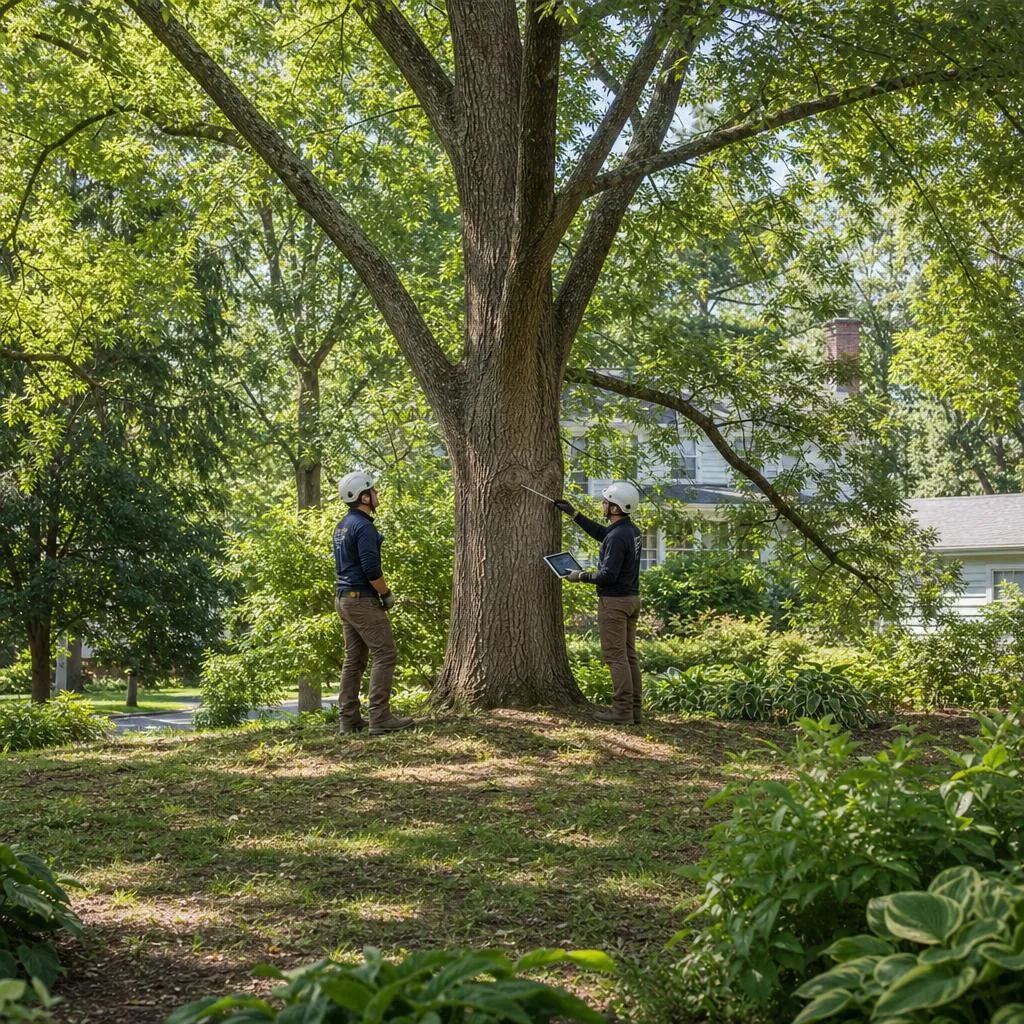
Trees contribute shade, habitat, stormwater management, erosion control, landscape character, and other benefits to urban, residential, commercial, and natural settings. Arborists and Tree Inspectors help property owners and organizations understand visible tree conditions, site constraints, potential targets, and appropriate next steps within a defined inspection scope.
Their work combines tree knowledge, field observation, site safety, communication, and documentation. Because tree condition can change and many defects are concealed or difficult to assess, clear inspection limits and carefully worded findings are as important as the observations themselves.
What Arborists and Tree Inspectors do
Depending on their qualifications, role, and engagement, Arborists and Tree Inspectors may identify trees, observe health and structure, note visible disease or pest indicators, consider site and environmental stressors, assess targets near the tree, recommend pruning or further investigation, develop maintenance plans, document storm damage, or support planning and property-management decisions.
Some assignments involve trees near buildings, roads, pathways, play areas, utilities, or active work sites. Others may relate to construction impacts, planting, preservation, removals, municipal programs, insurance questions, or emergency conditions after severe weather.
A visual inspection cannot reveal every internal, underground, elevated, or developing condition. More advanced assessment, climbing, aerial access, excavation, decay testing, laboratory analysis, engineering input, utility coordination, permits, or emergency services may be required.
Why arborist and tree-inspection work matters
Development can change tree conditions
Construction, grading, trenching, soil compaction, drainage changes, root disturbance, altered exposure, and damage to trunks or branches can affect a tree. Recording site activity and observable changes helps clients understand what was seen and what monitoring or specialist input may be appropriate.
Severe weather can create urgent concerns
Wind, ice, snow, lightning, flooding, drought, and sudden loading changes can damage trees or expose previously unnoticed conditions. Post-storm observations should distinguish visible findings from predictions and should clearly identify any urgent access restrictions or referrals.
Properties contain changing targets
Buildings, vehicles, play areas, pathways, utility lines, and occupied outdoor spaces can affect the consequences of branch or tree failure. An inspection record should identify the relevant targets and site use observed at the time rather than treating risk as a permanent or universal rating.
Public and managed landscapes need consistent records
Municipalities, schools, property managers, contractors, and community organizations may oversee many trees across multiple sites. Standardized identifiers, maps, findings, recommendations, priorities, and review dates make records easier to compare and continue.
Tree preservation requires informed decisions
Removal is not the only possible response to a concern. Depending on the tree and site, appropriate options may include monitoring, pruning, cabling or bracing by qualified providers, treatment, target management, further assessment, or changes to nearby activity. Recommendations must reflect the professional’s actual qualifications and evidence.
The documentation challenge
Arborist and tree-inspection work can involve client concerns, site access, tree identifiers, species, approximate dimensions, weather, surrounding targets, inspection methods, observable defects, photographs, findings, limitations, recommendations, work authorization, monitoring, and urgent hazard communication.
Records should separate observations from conclusions and recommendations. For example, a note that records a visible cavity, dead branch, or recent soil disturbance is different from a guarantee about whether or when a tree will fail.
Templates create structure, but they do not certify a tree as safe, guarantee that all defects will be found, establish legal responsibility, replace professional judgment, or ensure compliance with every municipal bylaw, permit, insurer, utility, environmental, or industry requirement.
Documents that support an arborist workflow
Tree, site, and client intake
An intake record can identify the property, client concern, tree location, known history, recent work or weather, nearby structures and use areas, access restrictions, property contacts, and the requested purpose of the assessment.
Inspection scope and site plan
The scope should state which trees and areas are included, the inspection level or methods, site conditions, accessible viewpoints, equipment, exclusions, deliverables, intended users, and whether the work includes risk assessment, treatment advice, valuation, construction review, or another specialized service.
Property access and inspection authorization
Written authorization can clarify entry, gates, occupied areas, pets, neighboring property, work zones, photographs, climbing or equipment use, utility restrictions, and who may approve changes. Authorization should come from someone with appropriate authority over the property or work.
Tree condition and site-safety inspection sheet
A structured field record can capture the tree identifier, species or best available identification, approximate size, weather, ground and root-zone observations, trunk and branch features, crown condition, targets, access, inspection method, photographs, and any immediate precautions communicated.
Findings, recommendations, and monitoring record
The report can distinguish observed conditions, their relevance within the inspection scope, recommended action, priority, responsible party, referral needs, and suggested review timing. Review timing is not a guarantee that conditions will remain unchanged until that date.
Urgent hazard or incident report
When an urgent condition, failure, injury, property damage, access issue, or unexpected event occurs, a separate factual record can document the scene, immediate restrictions, notifications, emergency contacts, photographs, and next action. It should not delay emergency services or required reporting.
How strong documentation supports the service
Coordinated records help Arborists and Tree Inspectors prepare for the site, identify individual trees consistently, explain what was and was not inspected, support referrals, communicate priorities, and track changes over time. They also help clients understand that recommendations are tied to observed conditions, available access, and the stated inspection scope.
Clear documentation can support communication with clients, contractors, property managers, municipalities, insurers, or other professionals, but it does not determine liability or guarantee that a claim, permit, approval, or proposed treatment will be accepted.
Build a repeatable tree-inspection workflow
A practical workflow follows the assignment: gather the client concern and site information, define the inspection scope, confirm access, identify the tree and relevant targets, record methods and observable conditions, distinguish findings from recommendations, communicate urgent precautions, document limitations, and set out next steps or referrals.
Template Pro-Suite’s Arborist / Tree Inspector Starter Kit brings profession-specific agreement, intake, inspection planning, access authorization, limitations, field inspection, findings, hazard, and business records into one coordinated workflow. Review the included documents and adapt them to your qualifications, inspection methods, clients, insurer, and location.
Frequently asked questions
Can a tree inspection guarantee that a tree is safe?
No. Tree conditions can be concealed, inaccessible, changing, or affected by future weather and site activity. A report should state the inspection scope, methods, observed conditions, limitations, and recommendations without promising that failure cannot occur.
Does every tree concern require removal?
No. Depending on the tree, site, targets, condition, and qualified assessment, options may include monitoring, pruning, treatment, target management, further testing, support systems, or removal. The recommendation should be specific to the assignment.
Do templates satisfy local tree bylaws or professional standards?
Not automatically. Municipal rules, permits, protected-tree provisions, reporting formats, credentials, utility requirements, and professional standards vary. The provider must identify and apply the requirements relevant to the work.
Clear records support informed tree decisions
Arborists and Tree Inspectors help clients make decisions about living structures in changing environments. Organized documentation keeps the tree, site, visible conditions, inspection limits, recommendations, urgent precautions, and follow-up easier to understand across each assignment.
Editorial note: This article provides general operational information, not legal, engineering, environmental, utility, municipal, insurance, emergency, tree-risk, or site-safety advice. Appropriate assessment methods and requirements vary by tree, site, weather, target, assignment, professional qualifications, and location.